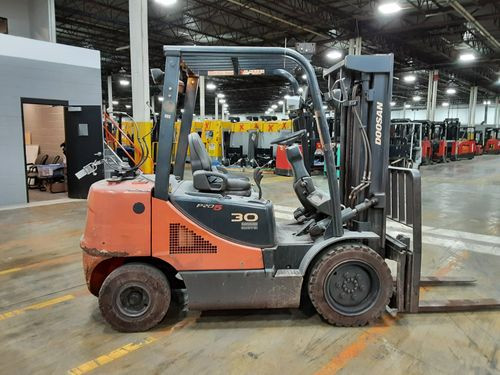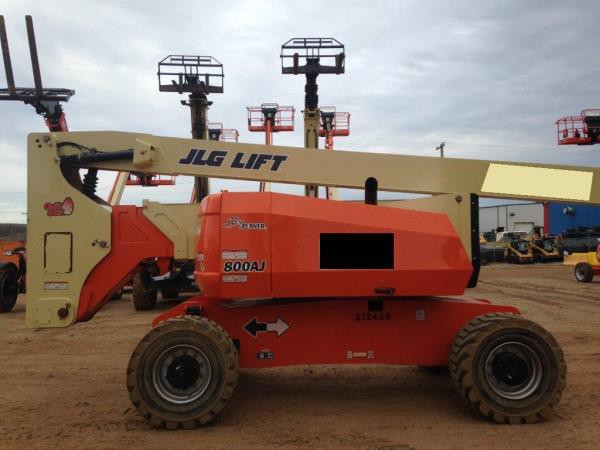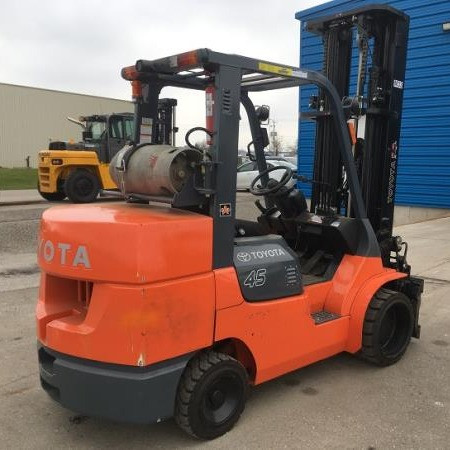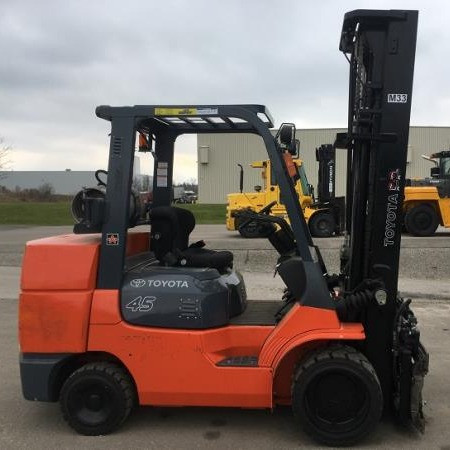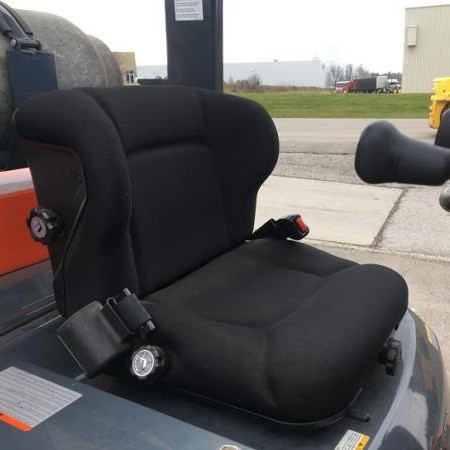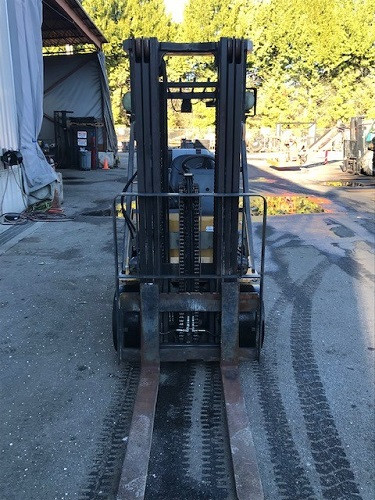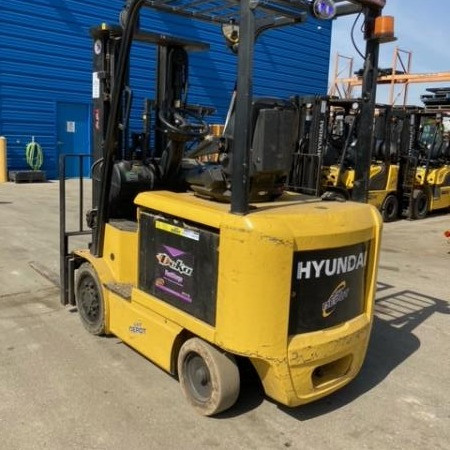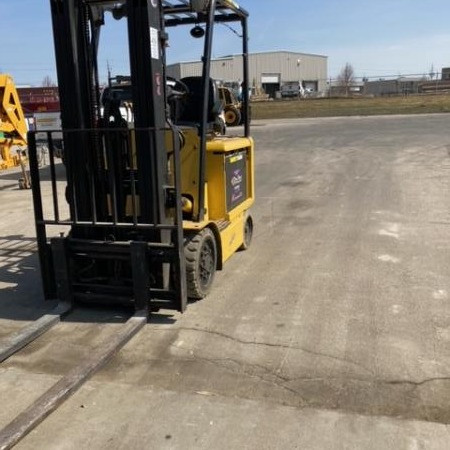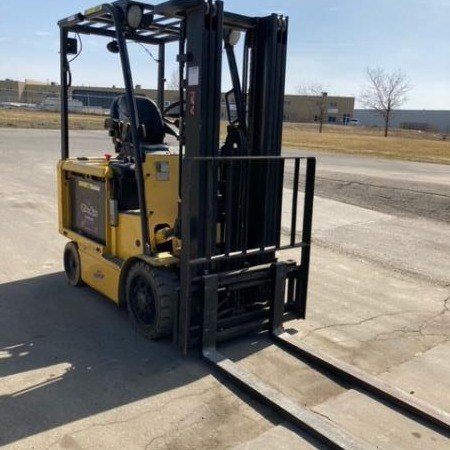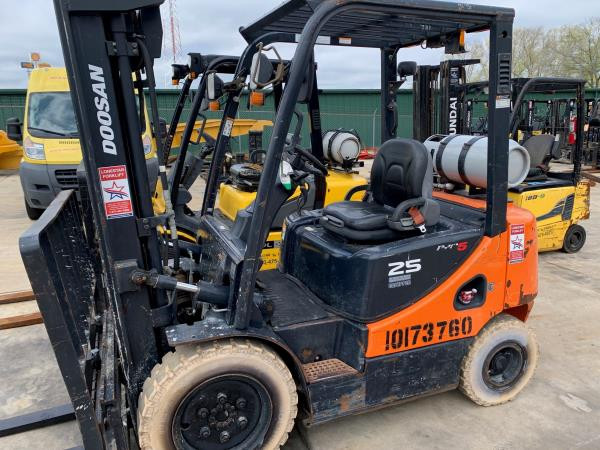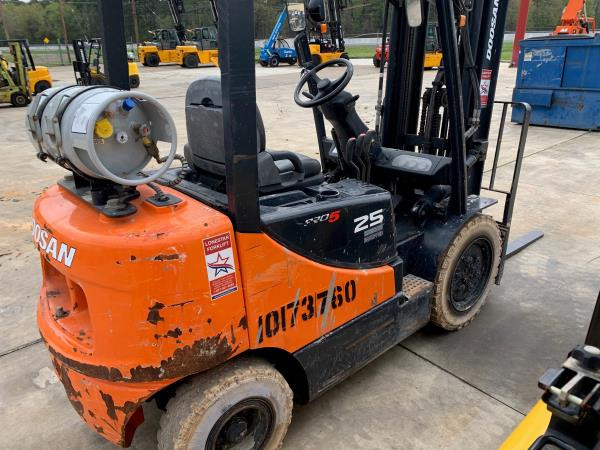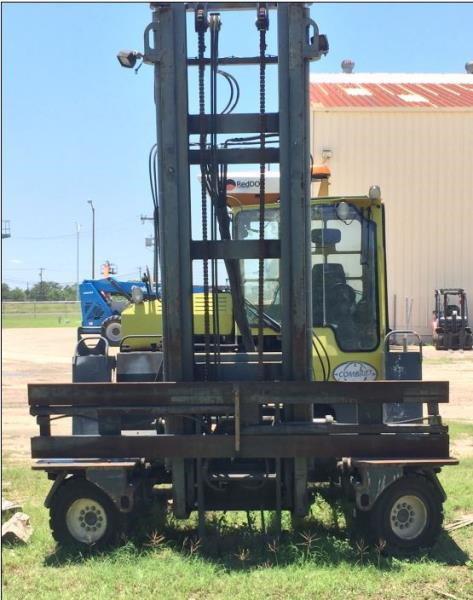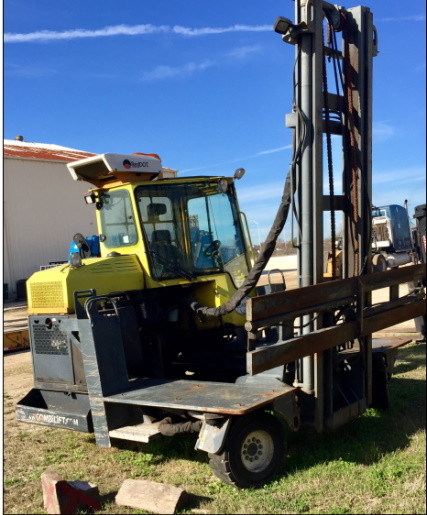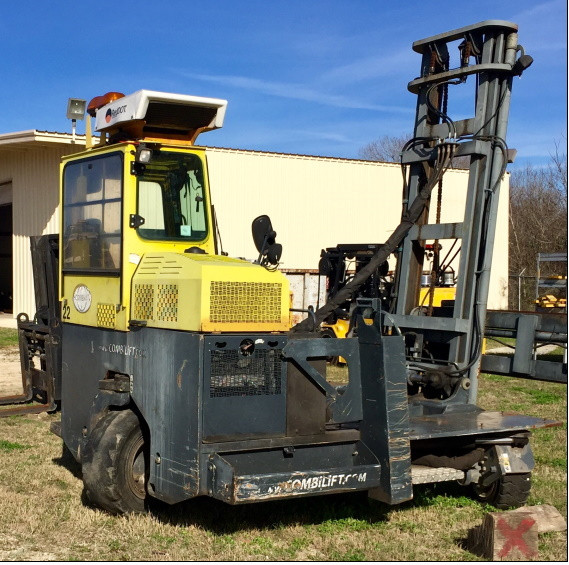

Used Forklifts Alaska - Forklift operators are working in factories and warehouses to move materials from one place to another. Forklift drivers need specialized training, that is commonly provided by the workplace. Prospective operators must be able to pass both a drug test and a background check. A forklift operator's responsibilities include doing daily functionality and safety checks. The Occupational Safety and Health Administration mandates that all types of forklifts be inspected prior to use. The driver must inspect the forklift again after the shift. Yearly safety training is a very vital part of a forklift driver's job description. To be able to load and unload supplies and to stack products in an efficient and timely manner, forklift operators utilize the forklift controls. A forklift operator's duties comprise weighing the materials they are transporting, and logging the weights. One more important part of a forklift operator's task is quality control. This includes ensuring orders are right and making certain the supplies do not sustain damage while moving them. Caring for the forklift battery helps ensure a long life span for the unit. Maintenance and care procedures comprise inspecting the water level inside the battery around every five charge cycles, filling the cell to just over the visible protector, being careful not to overflow the water, and cleaning up any spills. When a battery is charging, never disrupt the cycle. Personal Protective Equipment is necessary when performing work on the forklift battery, such as checks of water levels. Both eye protection and hand protection must be worn, and an acid spill kit and a fire extinguisher should be on hand. Forklift drivers must always observe safety rules. The charging area should be kept ventilated and clear of open flame. For indoor applications, where air quality is a concern, the electric forklift is the best equipment you could utilize because it produces no exhaust. Electric forklifts are quiet and clean. They are 20 - 40 percent more expensive to purchase than IC lifts, but the operating cost of electric models on a per hour basis is a lot lower. The downside is that batteries need sixteen hours to charge and cool down, so the purchase of an extra set of batteries is recommended. Electric lifts are not limited for use indoors, but when used outdoors they should be utilized cautiously. Internal Combustion forklifts are for outdoor use, and their carrying capacity is more than electric forklifts. If your fleet generally runs on one kind of fuel, it might be a wise choice to purchase an IC unit that utilizes the same fuel. They can function on propane, diesel or gas. Diesel is the least expensive. IC forklifts have the advantage of being easy to refuel and cheaper to operate; then again, their operating cost on a per hour basis is higher. Most IC models cannot be utilized indoors. Hyster is presently a global leader in lift trucks as well as warehousing solutions. However, it began as a manufacturer of lifting equipment as well as winches. Most of its production was focused in the Pacific Northwest and dealt primarily with the timber and logging industry. A couple years after the 1st forklift trucks were invented Hyster became synonymous with quality production. Over the preceding 80 years Hyster has continued to expand and develop its product line. The expansion of its products coupled with its desire to stay service oriented has allowed Hyster to develop into the intercontinental participant it is nowadays. All Toyota machines and parts designed within North America adhere to the International Organization for Standardization or ISO 14001 standard. TIEM has been honored many times for its commitment to continuous development, and its environmental systems. It is the first and only manufacturer to offer EPA and CARB-certified Compressed Natural Gas powered lift trucks on the market. To illustrate, the Toyota 8-Series IC lift vehicles emit 70 percent less smog forming emissions than the existing federal EPA standards and have complied with California’s strict emission standards and policies. Doosan Heavy Construction Equipment supplies the planet with heavy equipment including wheel loaders, articulated dump trucks, numerous heavy equipment accessories, log loaders and crawler excavators. Across the globe, Doosan has raised its market share to become the 5th biggest manufacturer of construction equipment. Set up as a trading corporation in 1986 within South Korea, often known as Park Seung Jik Store based out of what was once Baeogai and is today Jongno 4-ga, Seoul. The company is now the oldest and longest running company in South Korea, after having shifted its business focal point on infrastructure support in 1996. In 2005, the corporation bought Daewoo Heavy Industries & Machinery which is today Doosan Infracore. Since then, Doosan has turned into a international conglomerate that are experts in the construction business. By 2007, they purchased Bobcat USA, the global premier dealer of small construction equipment an acquisition of 4.9 billion. Doosan Group has grown to become the 7th most well known construction machinery supplier worldwide, operating in 37 countries around the world with somewhere around 38K employees. Doosan unveiled its 400,000th excavator in 2018.
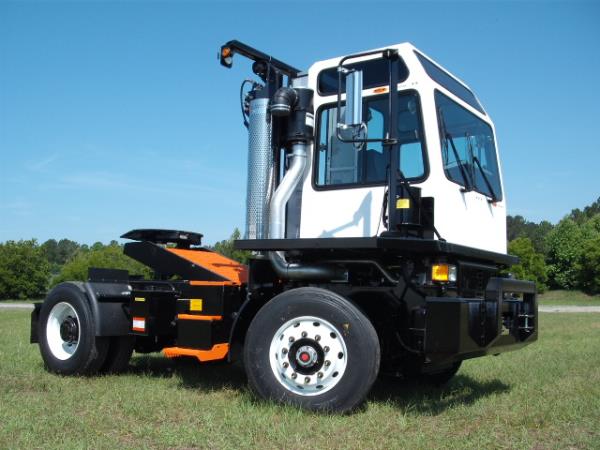
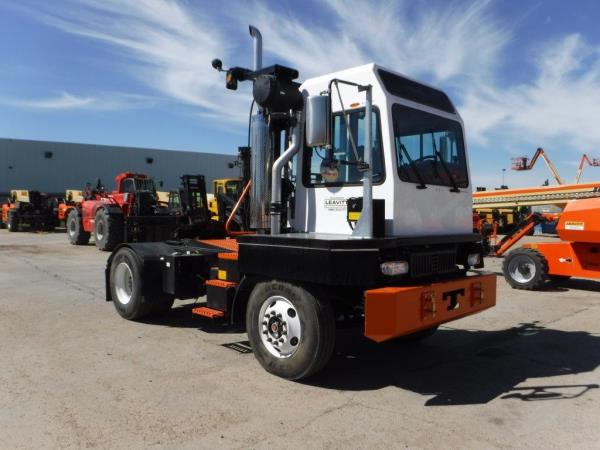
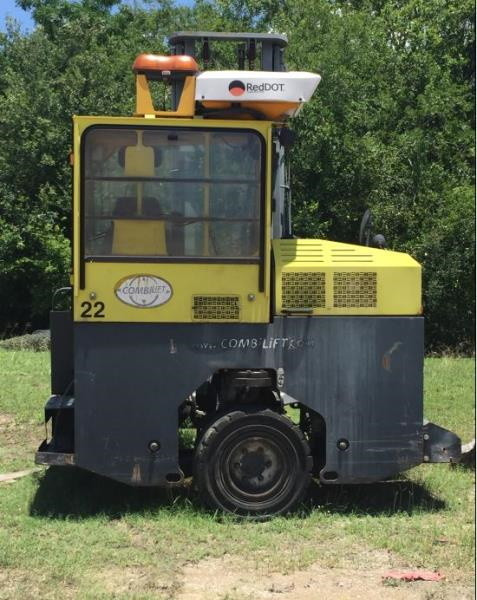
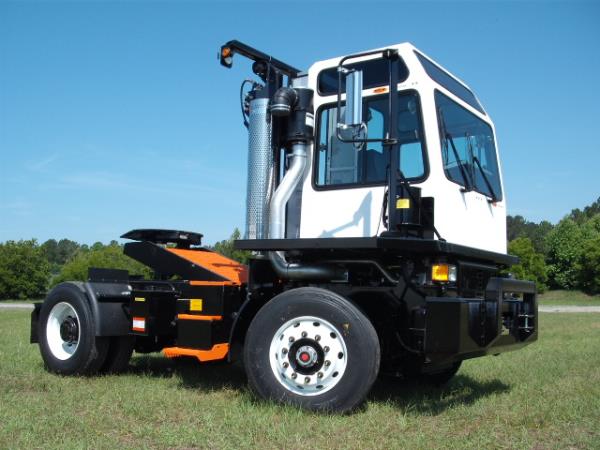
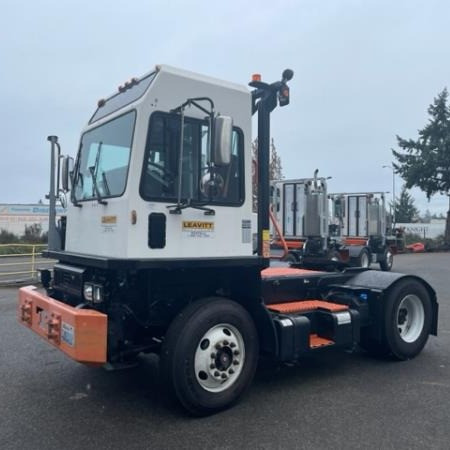
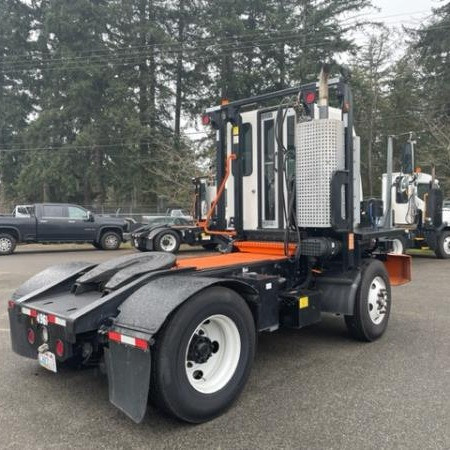
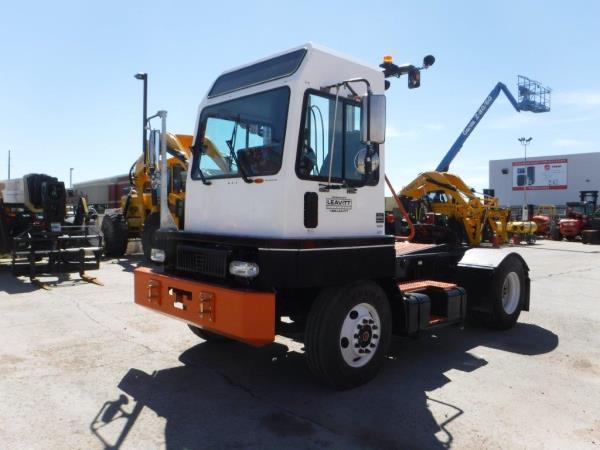
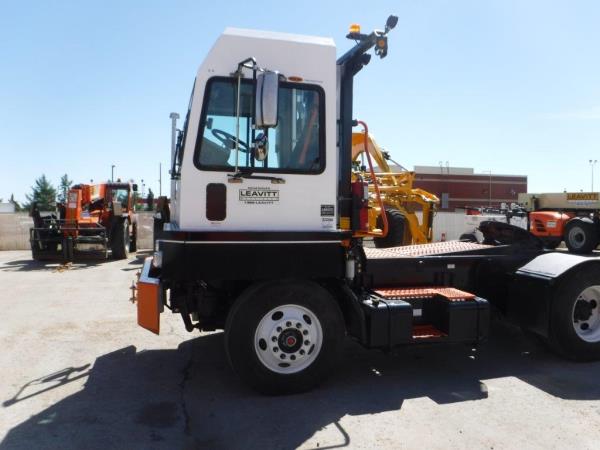
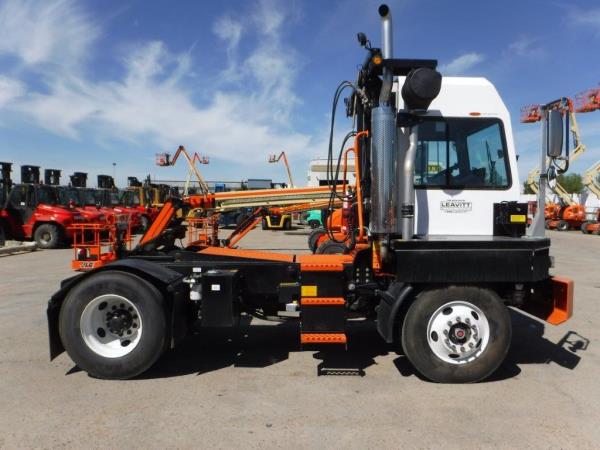
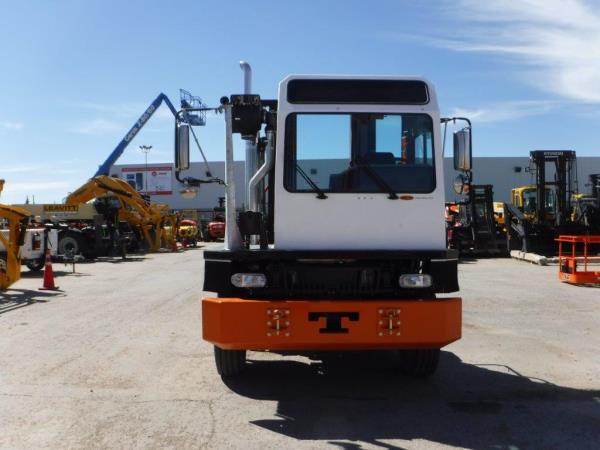
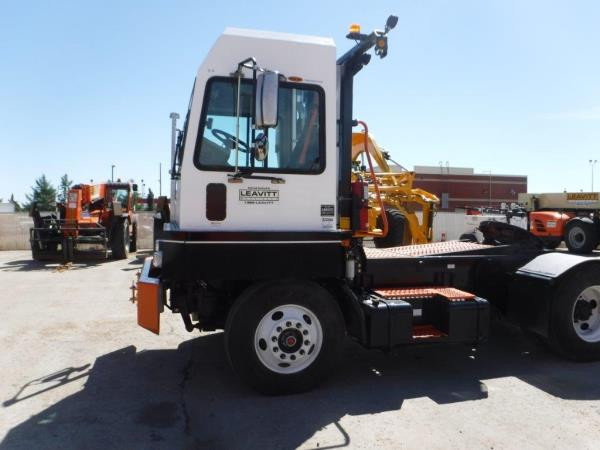
Kalmar: Kalmar High Capacity Forklift Alaska - Kalmar produces both 4x4 and 4x2 terminal tractors in addition to specialized tractors that are most often utilized in terminals and ports. The Kalmar 4x4 Model is among the most popular equipment of the company. The terminal tractors could be modified in an easy way to be able to suit the different needs of cargo handling in port and terminal locations. These terminal tractors could handle roll trailers with goosenecks, semitrailers as well as terminal trailers for containers. For RoRo handling, Kalmar heavy duty tractors provide a high tractive effort so that they can simply climb steep rams and can perform tight turns on slippery decks. Kalmar provides the sturdy 4WD terminal tractor for heavy roll-off and roll-on industrial applications and handling. This tractor is able to be used also as a heavy-pulling tractor in MTS-applications. Lift Trucks To help you accomplish whatever specific work applications you perform, Kalmar provides a wide variety of quality lift trucks. Regardless of which part of the handling chain you are involved with, these equipment are tough enough to take on any of your requirements. The Kalmar brands are synonymous with ease of service, an efficient driving environment, extreme quality and reliability. The company strives to offer the lowest possible lifetime cost overall and provides a huge array of well-proven solutions. Empty Container Handlers Empty container handlers perform an extremely fast-paced job because containers need to be stacked or transported efficiently and fast. To be able to broaden the available land area to the fullest, the containers have to be stacked high up and close together. Vital factors in why land area would get more valuable over time is that a minimum amount of ground space and high stacking capacity. Kalmar fulfills all kinds of conditions, offering effective and fast stacking even in minimal ground areas. The 2 empty container truck ranges comprise the Kalmar straight mast empty container handlers and the Kalmar empty reach stackers.
Case: Case 4 Wheel Drive Forklift Alaska - Inventor Jerome Case established the company of CASE within Racine, when he started the construction of threshing machinery. Later the business gained recognition internationally as the initial maker of steam engines for its agricultural application. In time, the business grew to become the world's biggest manufacturers of steam engines. By 1912, Case had become established within the construction equipment business. The rapidly started to produce road building machinery like steam rollers and graders. Case grew their construction machinery company through different acquisitions, beginning with the American Tractor Corporation during the year 1957. Case had expanded their business by the mid-1990s to become the leading producer of light-sized to medium-sized construction equipment. In 1999, Case merged with New Holland to become CNH Global. This corporation became responsible for advertising some of the top brands of construction and agricultural machines in the world. Case has been responsible for lots of industry firsts, while continuing to this day to take a role creating new solutions and products for the materials handling business. Presently, Case makes 15 lines of machines! They have engineered and designed more than 90 different units so as to effectively deal with your toughest construction challenges. In more than 150 countries, there are production and sales supported and Case serves the requirements of all their clients all around the globe. Unrivaled Visibility - Visibility is a very crucial factor with any forklift application. Case lift trucks are engineered and designed with this in mind and they take pride in offering the best possible view for the worksite. Load Control - The G-Series by Case has 3 lift trucks in its lineup which all offer load control. This feature provides minimal chain stress and smooth operation. These factors translate into reduced maintenance costs at the end of the day. Operator Comfort - More will be accomplished in a comfortable working environment which offers options in seating along with simple to utilize operating controls. Case has rough-terrain lift trucks that are dependable and powered with Tier III-certified 80 horsepower, 60kW Case Family Engines. This technology offers power to spare and will enable you to easily complete your workload. Statistics prove that the more comfortable an operator is during their shift, with a functional working environment and ergonomic controls, the better performance they will have. Fast Lift Speed - The industry leading lift speeds on these amazing equipment reach 32 m or 105 feet per minute by operator command. This essential feature will allow you to remain productive in the most difficult material handling environments.
Mitsubishi: Mitsubishi Outdoor Forklifts Alaska - The outdoor forklifts produced by Mitsubishi have gained a great reputation of working at peak performance. You do nevertheless have to take care of it and do regular maintenance in order to get the longest life possible from your equipment. If you take care of your forklift it would work in an optimum way and as safely and efficiently as possible. The following suggestions below would truly help you maintain engine performance and increase engine life. Carry Out Pre-Shift or Daily Inspections: By regularly checking all of the fluid levels in the engine, along with the other related items described within the forklift's Maintenance and Operation Manual, you will considerably maintain your equipment's performance and longevity. A Planned Maintenance Program or PM should be established and followed: A good planned maintenance program will really follow the maintenance schedule of the engine which is set out by the manufacturer. Several of the major things the planned maintenance program includes are replacing the engine oil and appropriate filters on a regular basis. Implementing an engine oil analysis program is also very beneficial. It could help to provide a totally detailed breakdown of all the elements which are found in the oil. For instance, unusually high amounts of silica or metals could indicate there may be a failed component in of the engine. In addition, these findings could indicate that the engine is ingesting dirty air. If these issues are dealt with and checked early, you would really increase the overall life of the engine and help reduce repair expenses. Inspect and Change the Air Filter: Weak engine performance or poor fuel economy can be the end result if you overlook to periodically check and or replace the air filter inside the engine. For instance, engine life could be significantly reduced if you are operating with a restricted air filter that enables unfiltered and dirty air to be pulled into the engine. The Cooling System has to be Inspected: The life of an engine and its performance can be significantly affected by the cooling system. The engine is engineered and designed to operate in a specific temperature range. Once that range is exceeded, damage can occur to the internal components of the engine. Frequent maintenance has to consist of replacing the engine coolant also. Failure to perform this kind of maintenance can lead to damaged engine parts, particularly regarding any aluminum components.
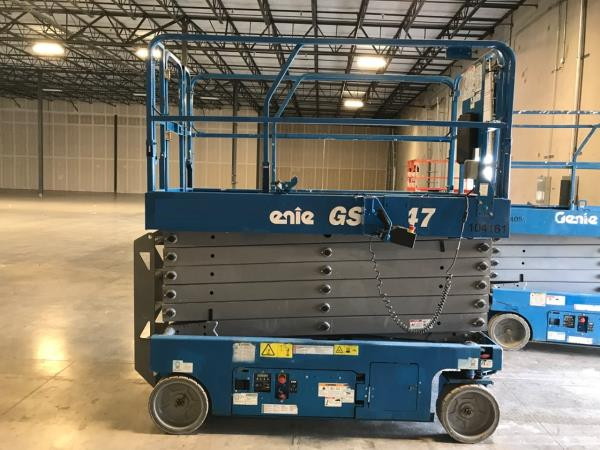
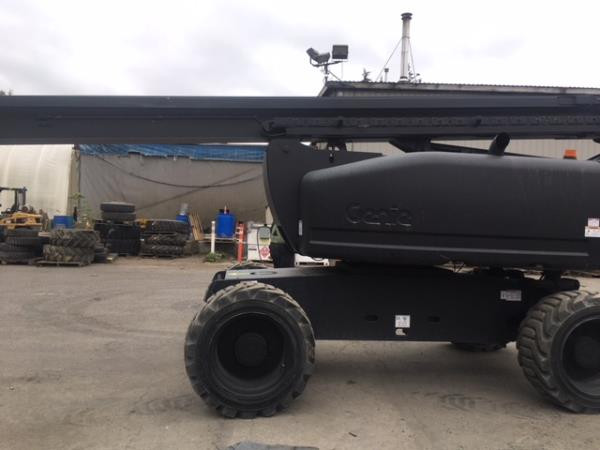
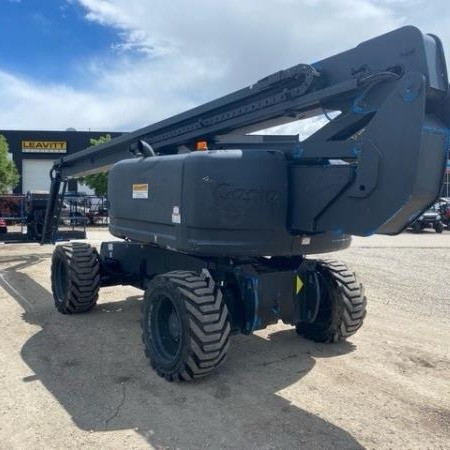
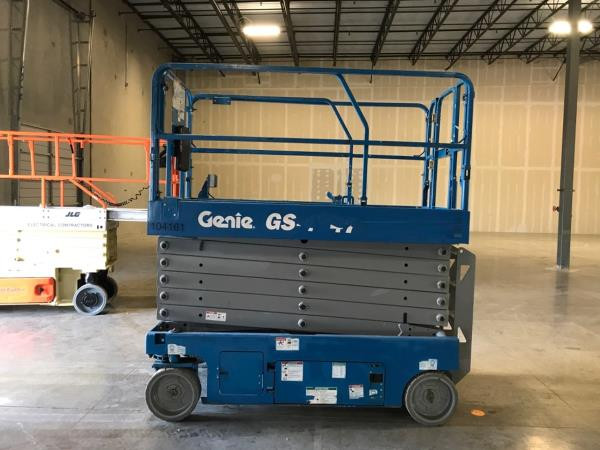
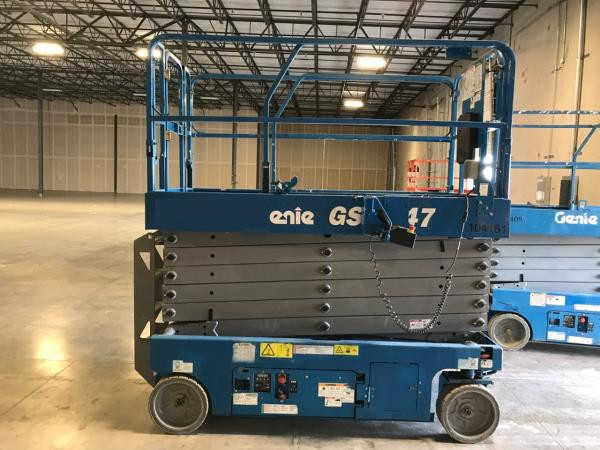
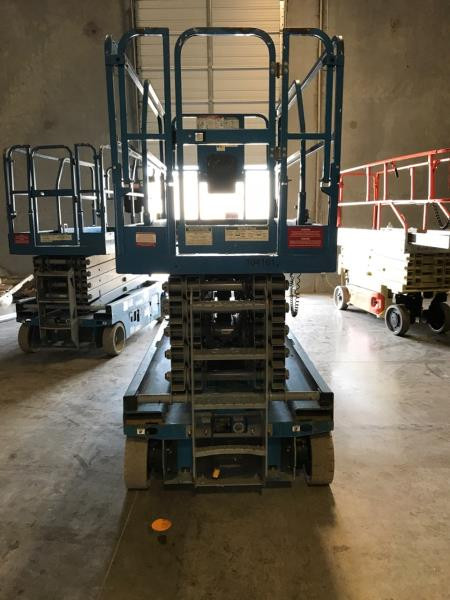
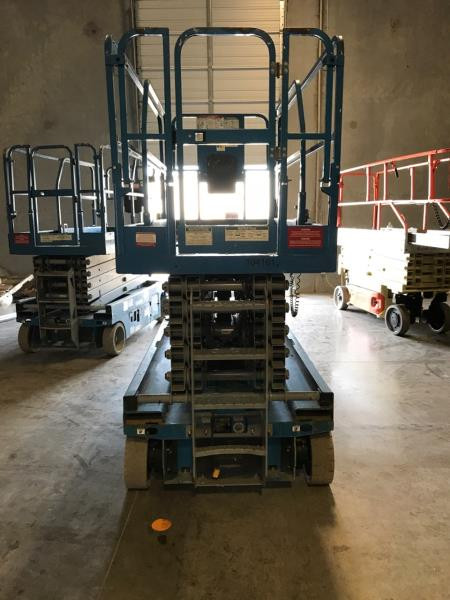
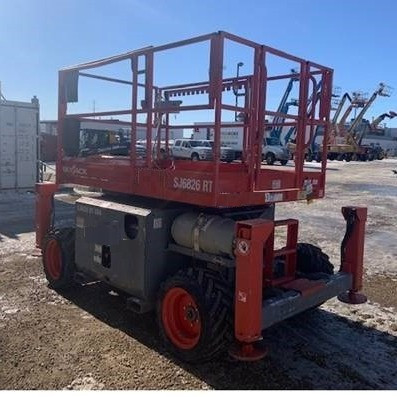
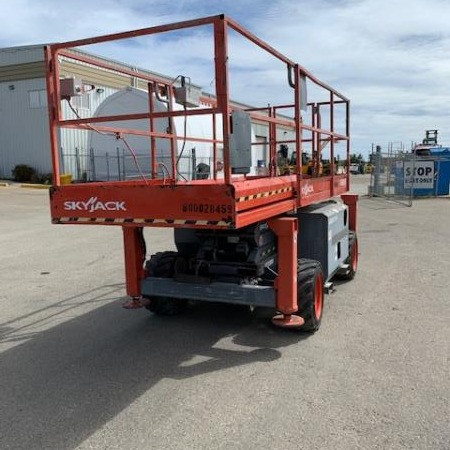
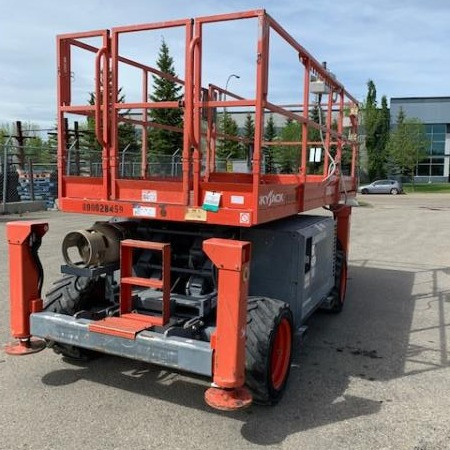
Skyjack: Skyjack Electric Scissor lifts Alaska - Classifications of Scissor Lifts & Aerial Lift Platforms Scissor lifts and aerial platforms enable workers to work on elevated structures in a safe way and enable them to get to objects and structures. These lifts and platforms offer friendly user controls to maneuver the base and the platform separately. This allows the machinery to get around things. There are numerous lift designs available that are suitable for particular environments and applications. Scissor Lift Using a series of crisscrossed linked steel arms, the scissor lift is designed to make an X patterned support system when the lift is raised vertically. Employees make use of a big rectangle platform which is attached to the top of the lifting device. There are support railings along the edges to provide added safety. The scissor lift features a low profile that is great for concrete, pavement and hard and compact dirt surfaces. These machinery make use of either a combustion engine or an electric motor to power the lift as well as the lifting device. Rough Terrain Scissor Lift The rough terrain scissor lift utilizes the same lifting technology as the regular scissor lift unit. The rough terrain unit differs in that it features a specific base which is designed for surfaces which are uneven. The rough terrain additionally provides a higher ground clearance and all terrain oversized tires. These models provide lower lifting heights overall because of the higher center of gravity of the machine. Telescopic Boom Lift The telescopic boom lift provides a telescoping beam that rises both vertically and diagonally. This machine offers a small work platform outfitted with controls to operate the boom. The controls make use of an IC or a combustion engine in order to power the hydraulics and lift the boom. Articulating Boom Lift Articulating booms have two telescopic booms connected together with a moving elbow. This lifting machinery offers a small work platform or a bucket outfitted with hand controls which are used to control the boom. The articulating lift is capable of reaching on top buildings and over things.
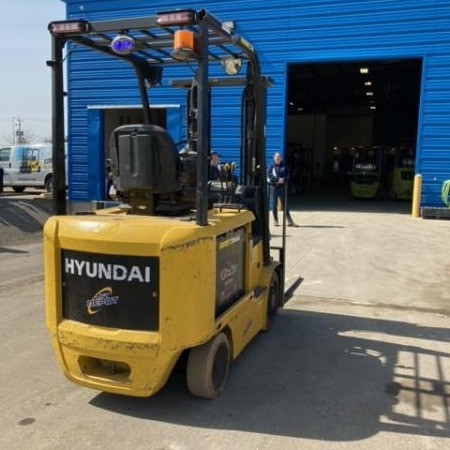
Hyundai: Hyundai Narrow Aisle Forklifts Alaska - Narrow Aisle Forklifts The narrow aisle forklift is designed particularly to fit down narrow aisles in a warehouse setting. These machines enable business owners the chance to increase their storage capacity to keep their goods and materials. Even smaller aisles are capable of fitting a forklift through them. Narrow aisle forklifts are known for their maneuverability and not much space is required to move a narrow aisle forklift. Their design has allowed them to move without much space due to the fact that most things that hinder movement have been squished up the main lift truck body in their design. These forklifts have a weakness in that they are somewhat slow. These forklifts will not cut it if you need it to move goods across large distances. This problem can be easily solved if you also have access to a standard lift truck. Some businesses choose to use the narrow aisle forklift to move the load to a central location. These items are then handed off to a regular forklift that will take it the bulk of the distance. normally, narrow aisle forklifts could not transport as much weight so they are just effective for loads that are small. How to Drive a Forklift Truck The principles of forklift operation is similar to the standard car. These machines have brakes, a steering wheel and an accelerator, while the operator requires good good hand-eye coordination and concentration. The forklift is capable of lifting loads which weigh several tons up to heights of 24 feet or higher. They could operate in very narrow confines. Utilizing a forklift requires additional expertise and training to be able to work smoothly and efficiently.
Nissan: Nissan Order Picker Forklift Alaska - The order pickers manufactured by Nissan are based on a modular design so as to provide owners and operators the most affordable solutions to the widest range of demands within the warehousing business. Some of the choices include tiller arm or wheel steering, rising and fixed driver platforms and low and high fork options. In order to achieve extreme output, you operator needs a durable and reliable machine capable of lifting nearly 15 tons in a single shift. The Nissan line of order pickers have been carefully engineered with the operator's needs in mind. They offer the best safety features to create a comfortable and efficient working atmosphere and increase performance. These machines function at medium and low levels with long forks to greatly improve workflow by handling as much as 3 pallets or 2 roll cages at a time. The operator platform rises roughly 95 cm in less than 2.5 seconds to enable for rapid access to picking positions. At high levels, the lift speed is fast and there is easy access from the cab to the forks and the picking position. AC power guarantees instance response to the operator's slightest command. Additionally, each braking movement actually helps to recharge the battery for a longer shift. More uptime means much greater productivity. All order pickers manufactured by Nissan enjoy on-board fault diagnostics and easy battery changes. These design features really contribute to increased uptime of the equipment. Ergonomic design is applied at all levels. For example, at both medium and low levels, select the steering option which is right for your operation. The power assisted wheel provides accurate and effortless control. During applications where the operator walks beside the truck, the tiller arm option can be the right alternative. In this specific position, the brake is applied each time the arm is raised vertically. When raised, it gives the operator plenty of space to stand on the truck. When picking positions are close together, the "side drive" option enables the operator the chance to walk next to the equipment and control the truck from either side. The operator can achieve this "straight line" operation in order to guarantee accurate forward and backward travel. At medium and low level, the step height is just a few centimeters from the ground for easy access. Also, the rising platform options enable an easy "walk around" space. Cab access is quick and easy at a high level. Furthermore, the floor has added cushioning for better operator comfort. Also, the controls are carefully situated for simple operation and to help ensure utmost production.
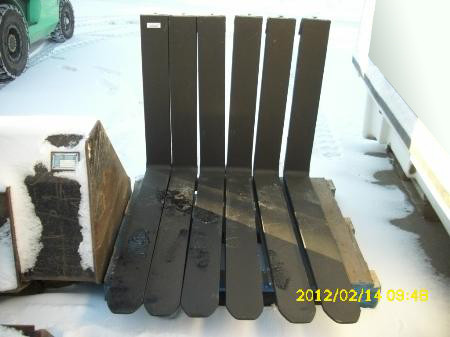
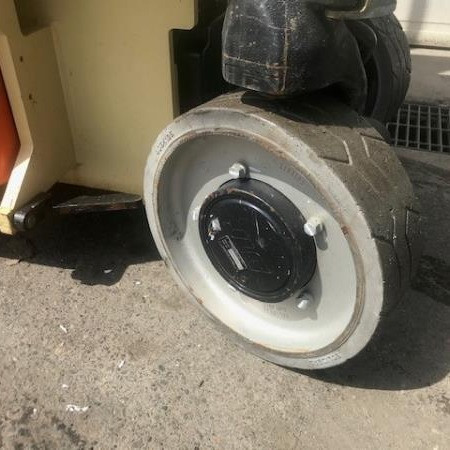
Manitou: Manitou IC Forklift Alaska - The forklift truck is an extremely big and powerful machinery able to function efficiently and smoothly, lifting and moving items in material handling orientated tasks. Many parts need to be replaced on regular basis due to damages and breakages. The forklift is a very versatile machine, with a wide assortment of accessories able to be fitted onto the machinery. These accessories can increase the lift truck's capabilities and expand the tasks they are regularly able to complete. Some of the main different forklift accessories and parts are described below. Fork Extensions The fork extensions describe the forks on the forklift. These forks could can be changed entirely, or various components can be added to them so the truck could raise a range of different types of loads such as telescopic loads, baskets, rollers, amongst others. Forklift Seals and Bearings The bearings and seals are particular forklift parts which allow the inner workings of the equipment to run in an efficient and optimum manner. Bearings allow two moving components of the machinery to work together smoothly, without any friction. If not fitted correctly, bearings and seals can occasionally break and wear down and these parts might have to be replaced occasionally. If a bearing is the proper type of bearing used for the equipment and it is fitted correctly, this lift truck part could easily outlive the life expectancy of the entire machinery. Cabs The forklift's cab is the section of the equipment where the operator sits and performs maneuvers. The cab could be open or it could have a roof, depending on the particular unit. On a work place, this lift truck part typically has a roof to comply with safety measures and minimize the risk of falling materials. Brake Forklift Parts Lift trucks trucks have brakes that are required to be frequently checked in order to ensure they are in good working condition. usually, these components should be replaced due to extended wear or damage. Wheels and Tires The forklifts wheels and tires are the parts most normally damaged. Problems happen because of punctures from sharp things on the floor and slashes from rough and uneven floor boards.
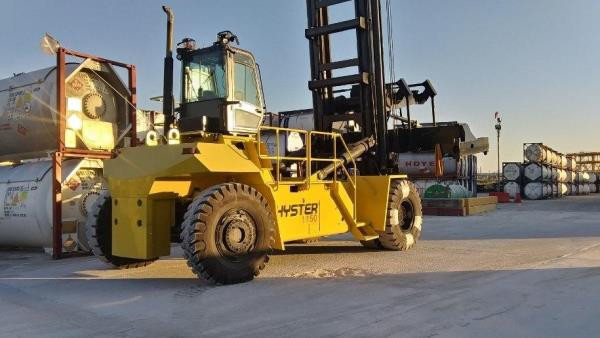
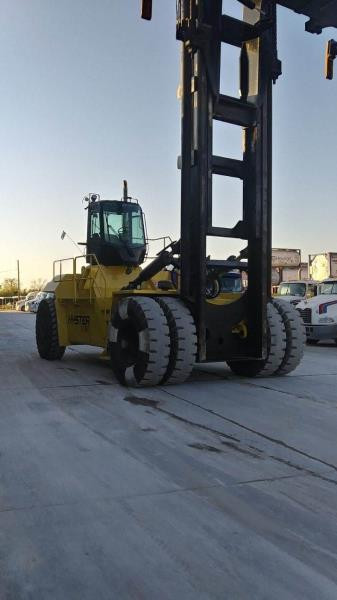
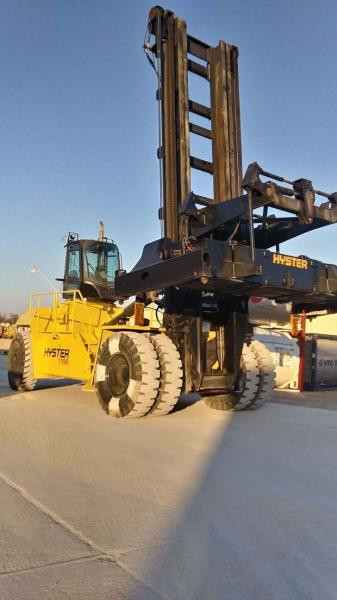
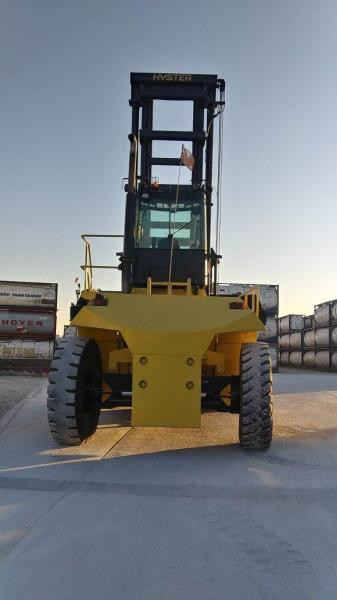
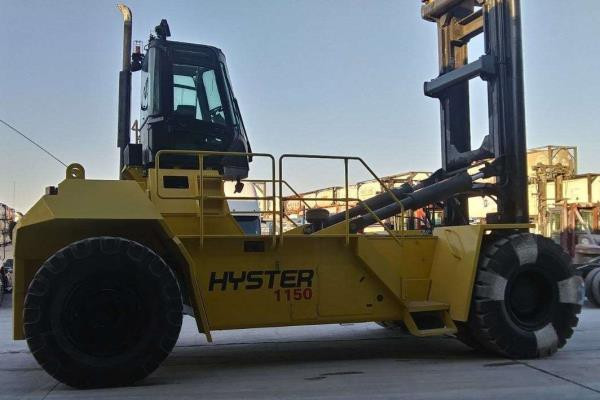
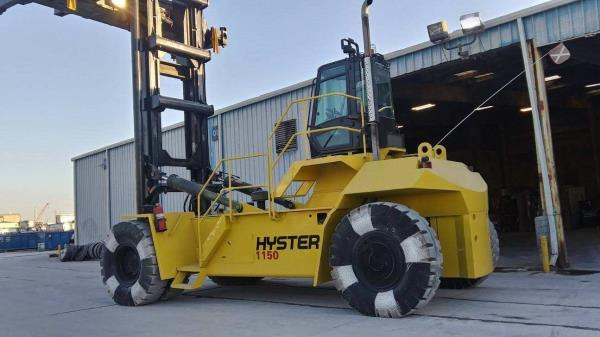
Hyster: Hyster Container Forklift Alaska - One of Hysters main safety concerns is safety. It is why they provide numerous pieces of optional safety devices that can be added to either the work site or the machine itself. Following the standards of OSHA, Hyster manufactures head and work lamps along with both visible and audible warning devices. The only warning device needed on the lift truck according to OSHA and ASME B56.1 regulations is the steering wheel horn. The horn is standard on all types of forklifts. Although visible or audible warning devices are not required on all types of forklifts, there are a few situations where optional warning devices could be suitable. These factors are unique to each and every work site or work place and each and every condition must be considered individually. For audible safety devices, which are most frequently motion alarms or back-up alarms, the main factor to consider is the level of noise made by the alarm. First of all, the audible device needs to be distinguished from other kinds of sounds in the work site and the sound should be loud enough to be heard in the work site, even if other kinds of machines may be functioning. The ability for workers to hear alarms and know where the sound is coming from could be compromised if workers wear hearing protection devices. If the alarms are very disruptive or offensive to workers, nearby businesses, or nearby houses, alarms might have to be disabled. If sound should be disabled, this must be able to happen readily. Regulations also have to be followed to make certain that noise levels do not exceed OSHA noise limits. For visible safety devices, most frequently strobe, rotating, or flashing lights, many factors should be considered and thought should be put into whether visible safety devices may be more suitable than audible devices. Operator distraction, workplace lighting and presence of reflective surfaces are top concerns to take into consideration to ensure that safety devices are effective and do not pose a danger to drivers or other workers. Safety light colours should be different from other lights and background surfaces which are within the work site. Placement of safety devices are extremely important. Lights must be able to clear any overhead obstacles. Light placement should not cause the lights to shine or reflect into the driver's eyes, but shielding of the lights should not overly obstruct the light's visibility to pedestrians. To suit numerous application requirements, Hyster has a range of optional lights which comprise halogen lights and weather-resistant LED. These lights are able to hold up through vibration and shock as well. When it comes to work lamps and head lamps, OSHA has set standards to make working in dark work spaces or at night much safer. Directional lighting is required if the lighting on the forklift produces less than 2 lumens per square foot. Hyster has many choices that will help increase visibility in low-light situations.
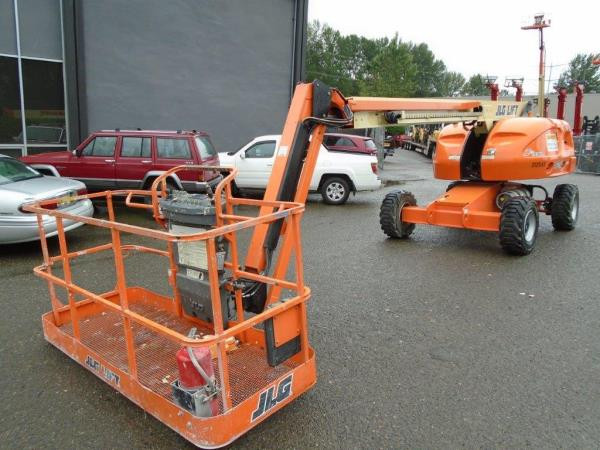
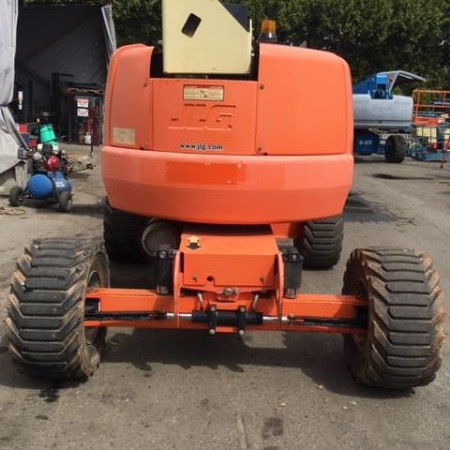
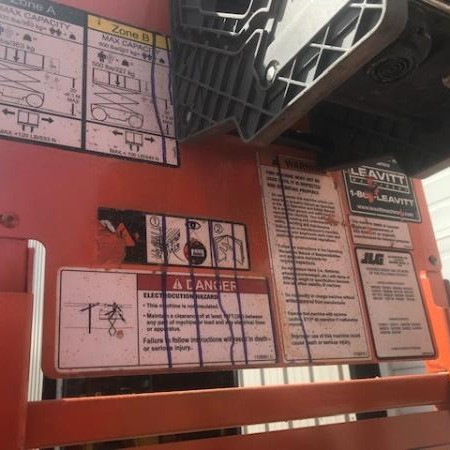
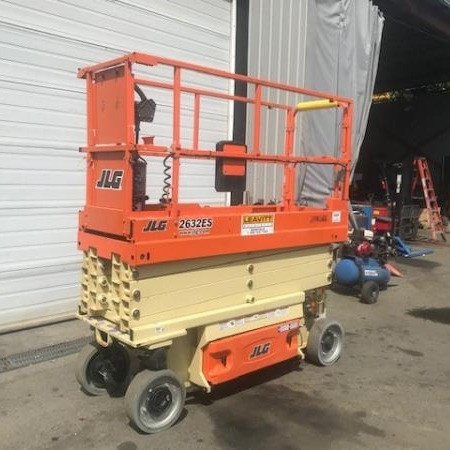
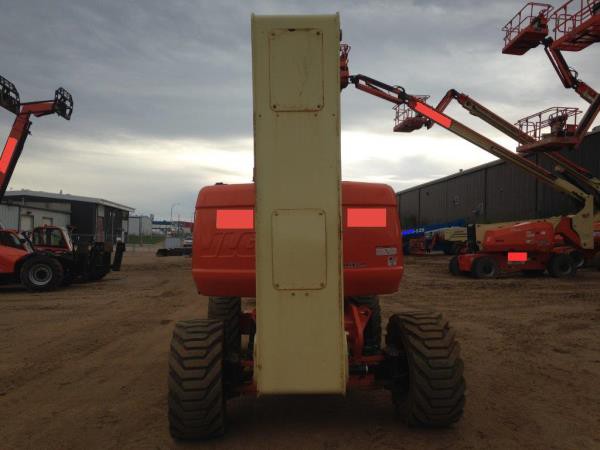
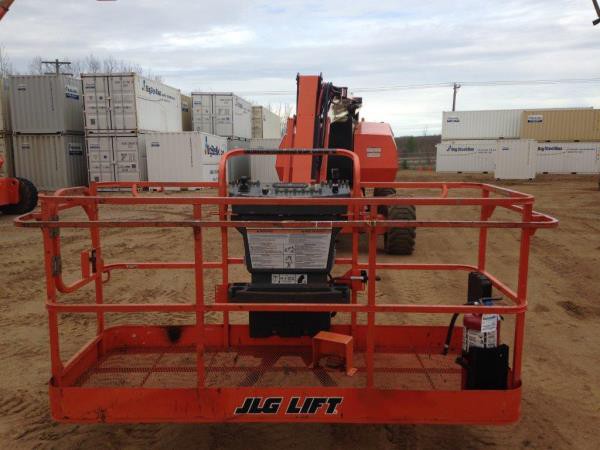
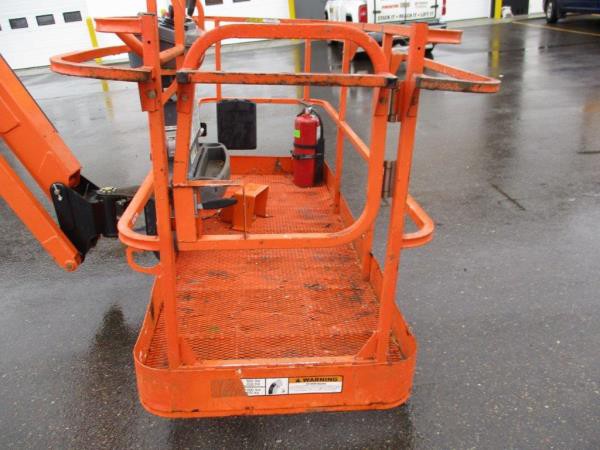
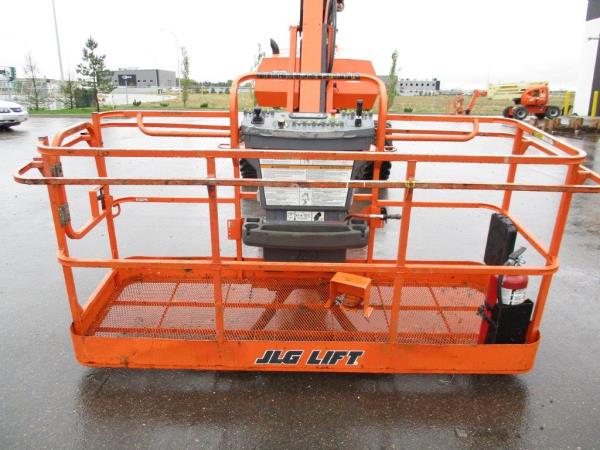
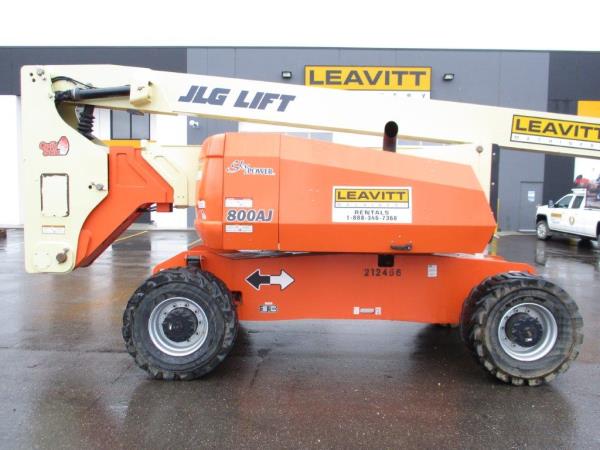
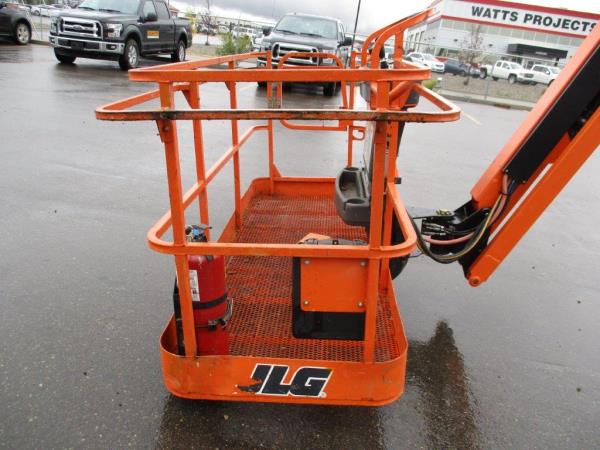
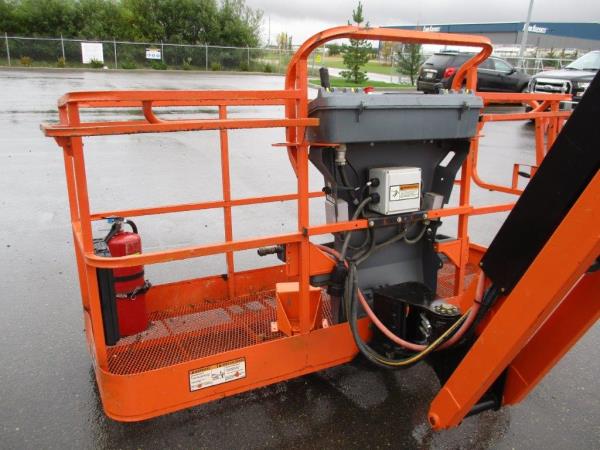
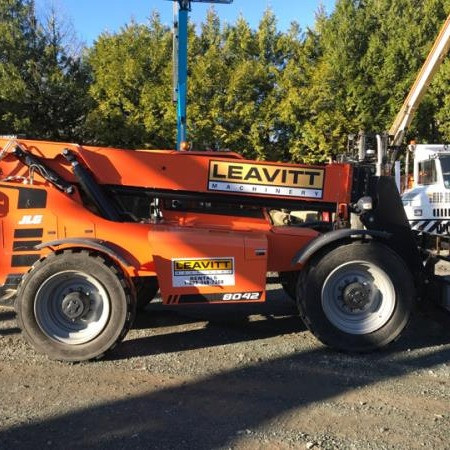
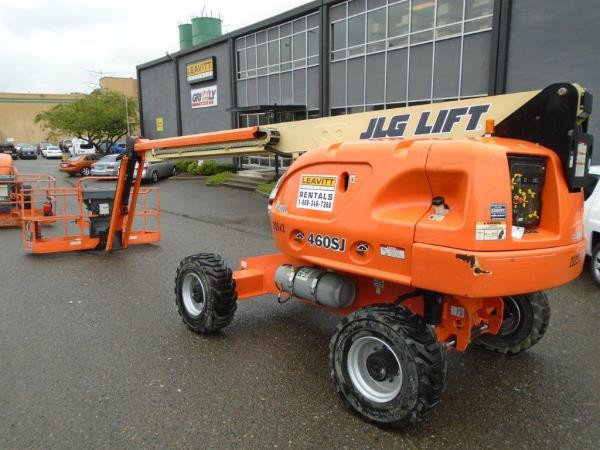
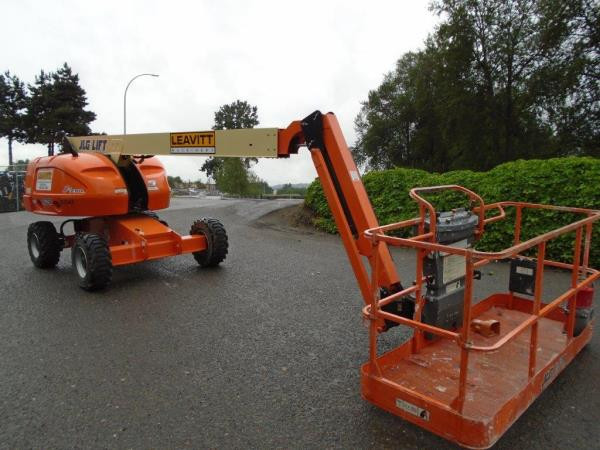
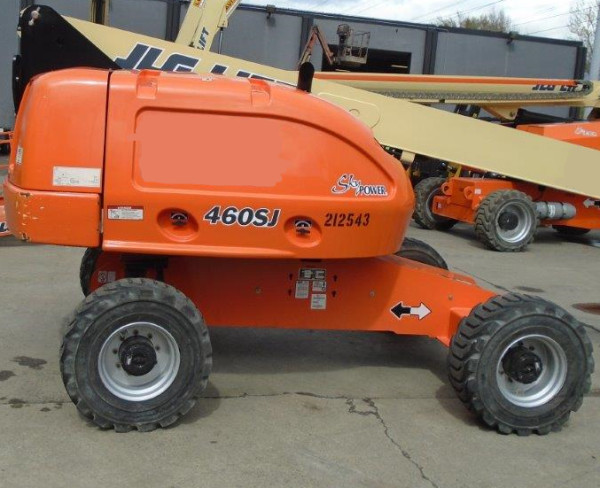
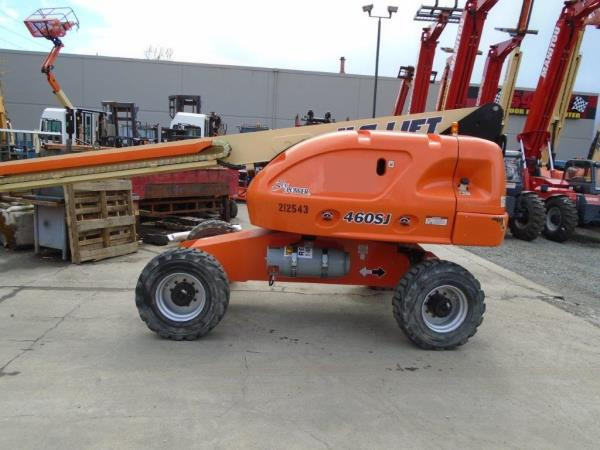
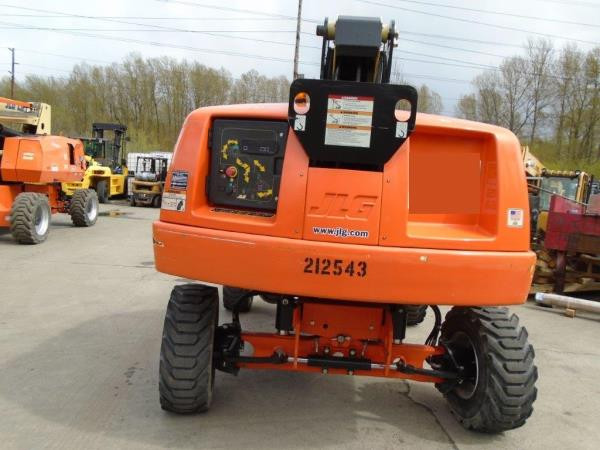
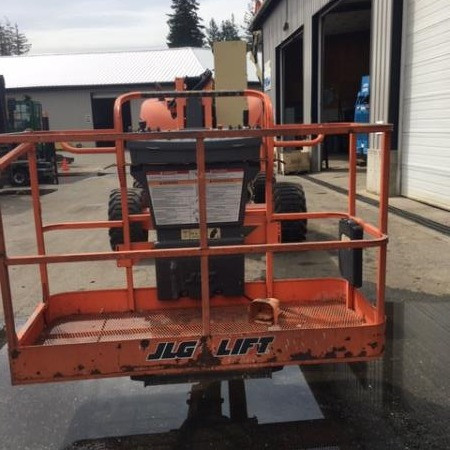
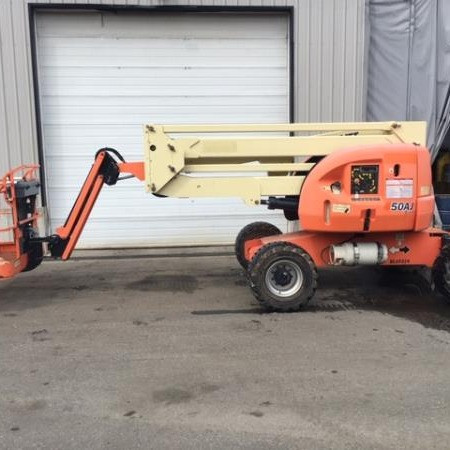
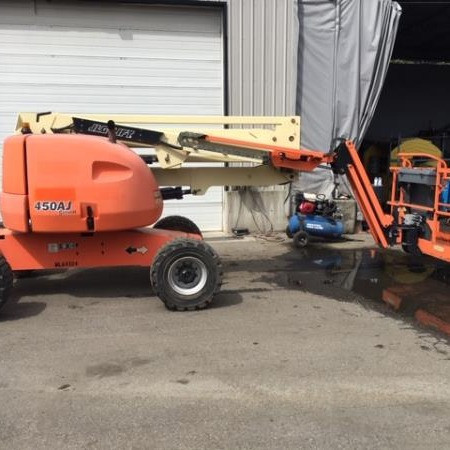
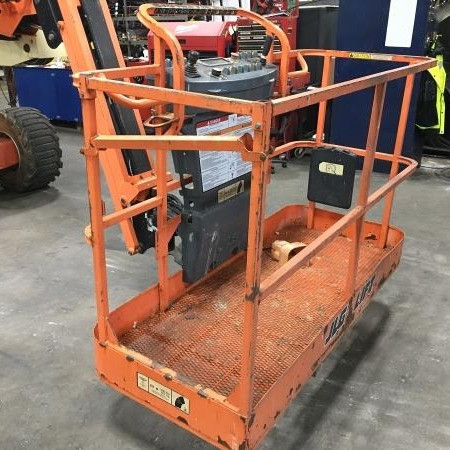
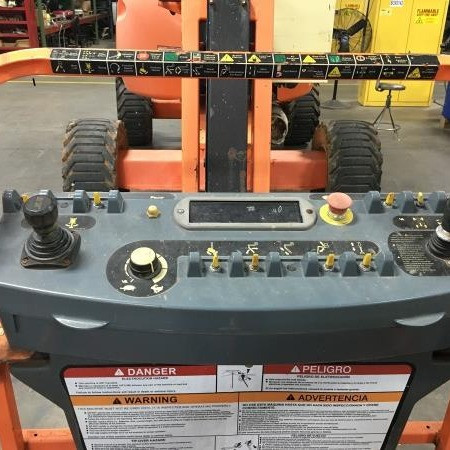
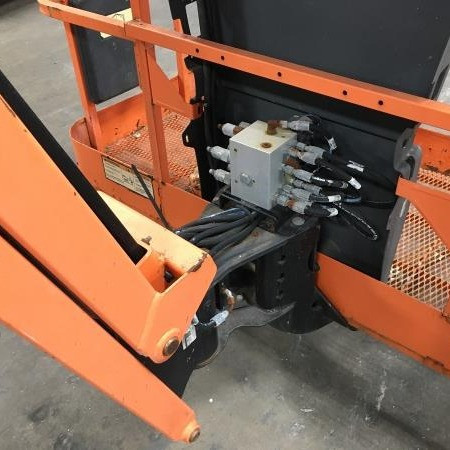
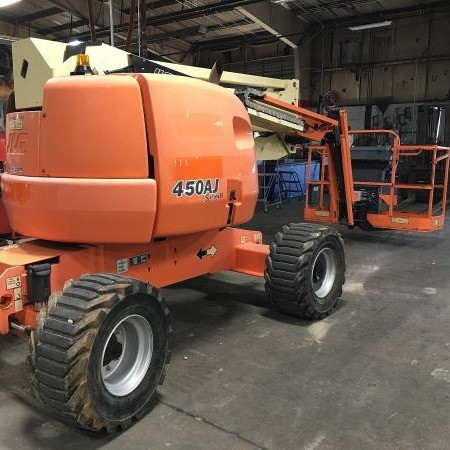
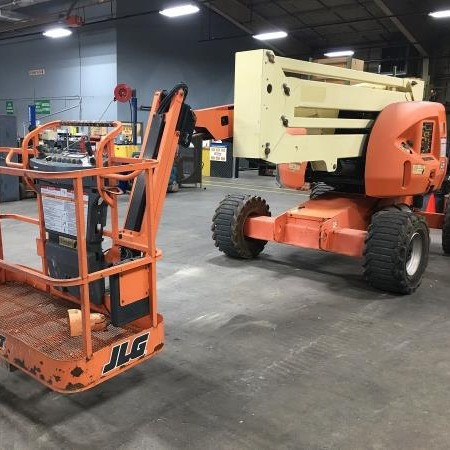
JLG: JLG Aerial Work Platforms Alaska - Whether you are lifting from 10 feet to 150 feet, JLG aerial work platforms can get the job done. In order to fit your personnel lifting needs, JLG provides more than 50 different units of boom lifts, mast booms, scissor lifts, and vertical mast lifts. You can be a lot more productive and efficient than ever, with factory designed accessories. John L. Grove, JLG's founder, invented the very first self-propelled boom lift during 1969 and ever since that time, has always been working to find ways to make your job safer and easier. Vertical Mast Lifts JLG understands that your work needs differ quite a bit during the day, every shift. From painting, eletrcial installations to routine maintenance, duct work, plumbing, putting up holiday decorations and signage, JLG provides the most selection and the option in vertical mast lifts. JLG offers the AccessMaster push-around vertical mast lifts and the self-propelled JLG mobile vertical mast lifts that are drivable at full height, the company has many different units available. Choose a JLG lift product and increase you efficiency with an exceptional lift. Leave the ladder for the other guys and choose safety and security with an aerial work platform. JLG LiftPod Work Platform The main factor for any job is safety and a safer work environment can help to lower your costs and provide higher productivity. It is a well-known fact that it just takes one mishap for fines and extra work to pile up. You could focus on the job with a LiftPod aerial work platform and would not have to focus the risk of the task. There is an enclosed carriage and a secure platform on the LiftPod aerial work platform. These features could help keep you stable as high as 14 feet. This specific work platform offers a 360-degree range of motion to be able to use both hands so that you can get the job done in time. The LiftPod has been designed and engineered to be portable that means that your next task is never really far away. There are lots of reasons that JLG Aerial Platforms have become well known within the business. These kinds of machinery have earned a positive and solid reputation for being both efficient and safe to operate, while being comfortable for the driver. JLG has become a global leader in the material handling industry.
Jungheinrich: Jungheinrich Gas Forklift Alaska - Purchase a Forklift For Your Company Lift trucks are vital industrial machinery for companies in numerous businesses which need the movement of merchandise and materials. The lift truck helps the employee by performing all the physical jobs needed for lifting and transporting goods. The forklift is an equipment which makes the workplace more productive and efficient and saves workers from the stresses of hard physical labor. Companies discovered that transporting heavy things might require 10 hours manually and just several hours with the forklift. These days, physical labour is reserved for work which is not that exhausting, such as carrying light weight boxes and sweeping or picking up paper. The lift truck is perfect for lifting and moving heavy weight or bulky things which would otherwise need at least 2 more employees to handle. The lift truck machinery is operated by one employee who could transport products and supplies in a really short time. It is apparent that lift trucks are important on construction locations. Construction requires lots of manual labor, such as laying concrete, building foundations and digging ditches. Materials like gravel, sand and other things must be moved around the place, either by machinery or by hand. The utilization of lift trucks enables construction workers to save their strength and prevents burnout and injuries. Construction workers still have lots of manual tasks to do, but lift trucks certainly help carry some of the load. With lift trucks to transport and carry the heaviest items, employees could use their physical strength for other jobs. Millions of businesses take advantage of the benefits of using lift trucks on their job locations.
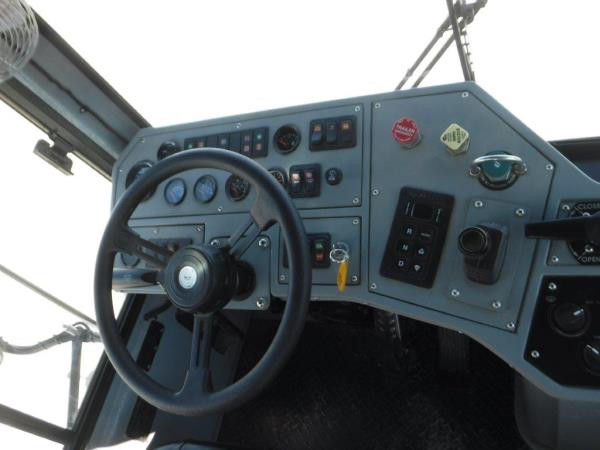
Komatsu: Komatsu Cushion Tire Forklifts Alaska - Forklift Controls Inside any warehouse environment, one of the most common equipments is a lift truck or forklift. These versatile machines are comprised of a vehicle together with two pronged forks at the front that can haul and carry bulky items. The standard forklift is built to work and move in small spaces and could carry things to and from high up places. Lift trucks are still very dangerous machines and should be operated in a safe manner all the time, after correct training and certification has taken place. When new to a lift truck, make time to read the owner's manual and familiarize yourself with the controls. Be sure to take note of the location of every specific control and what particular feature it functions. Most forklifts have two levers which control the forks. The first lever controls the height of the fork. In order to make the forks go down, you push the lever forward. To be able to move the forks upwards, you just pull back on the lever. The forklift's second lever is utilized to tilt the forks allowing for better weight distribution across the forklift. This tilting action helps to keep objects stable and won't allow items to fall off when driving. Moreover, it helps things slide off in a more balanced way when unloading. By pulling the second lever back, the forks would tilt back, while pushing the lever forward would tilt the forks forward. Various types of forklifts are outfitted with a third lever that controls the fork width. Each and every one of these levers is situated just to the right of the operator's seat. Prior to operating the forklift, sit inside of it and go over what the controls do with a trained coworker. Be sure to do this when the forklift is turned off and not operational. Ask the trained professional if you have any questions regarding how something works. Observation is normally the best method to learn new forklift skills. So take time to observe a coworker demonstrating the function of each control. On hydrostatic lift trucks, notice that in order to make the machinery go, you use the gas. And if you would like to make it stop, you simply release the gas pedal. There is no brake on these types of forklifts. There are some hydrostatic models that are equipped with battery powered engines that turn off when the gas pedal is released. They start up once the gas pedal is pushed again.
Daewoo: Daewoo Large Capacity Forklift Alaska - Early History The South Korean government in the early 1960s began a new economic strategy that required big businesses called "chaebols" to concentrate on manufacturing exports. This new strategy called for a series of five year plans which were intended to lessen the trade deficit the country was going through while helping to bolster the nation's production. This was a plan that had already been used successfully by the Far East competitors of South Korea, Taiwan and Hong Kong. Daewoo was a major player in this effort to enhance the significance of South Korea's exports. To help the chaebols in their efforts for production of exports, the government of South Korea sponsored cheap loans for chaebols. Daewoo was among these businesses which benefited during the year 1967. This was at the beginning of the second five-year plan. The company Daewoo took advantage of the huge labor force of the nation, its primary asset. By concentrating on labour-intensive industries, such as clothing and textile, the business generated high profits. The factory of the company within Pusan produced 3.6 million shirts on a monthly basis. The corporation also made basic manufacturing machines, that were labour intensive as well. In this time, the corporation Daewoo helped to boost the level of exports of South Korea, which were growing almost 40 percent per year. When the demand for labour pushed wages up, Korea's comparative advantage in labor-intensive production began to decline. Competition from both Thailand and Malaysia forced Korea to refocus its energies on other industries, such as petrochemicals, shipbuilding, electrical and mechanical engineering, and construction. This phase of the nation's economic recovery lasted from 1973 to nineteen eighty one. This happened at the same time as the US announced its plans to completely withdraw its peacekeeping forces from the nation. The new emphasis in production was intended to further expand Korea's exports while simultaneously making components that previously had to be imported. Domestic parts production helped to strengthen domestic businesses and make possible a national defense industry.
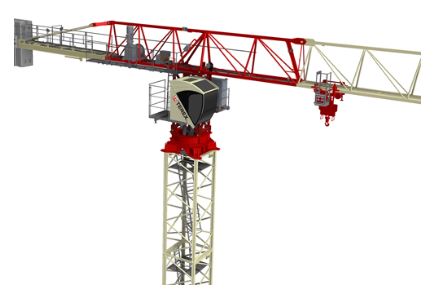
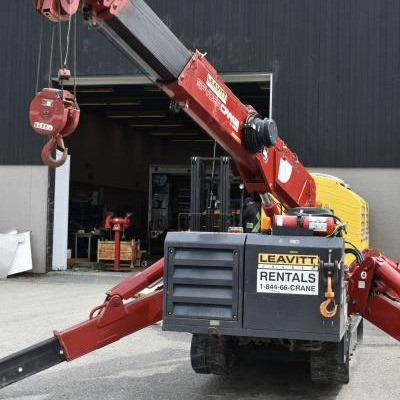
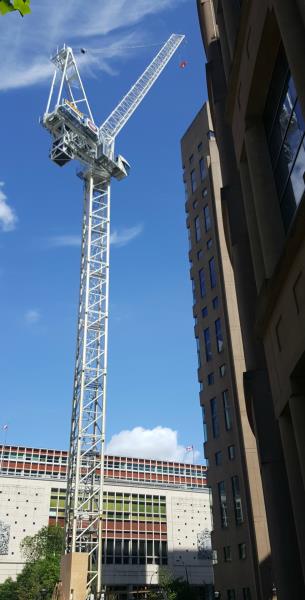
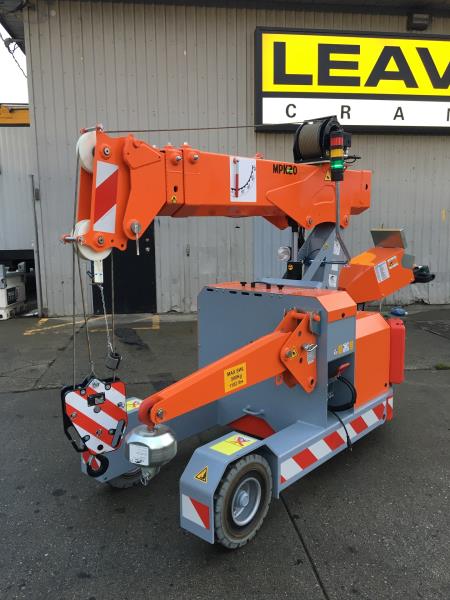
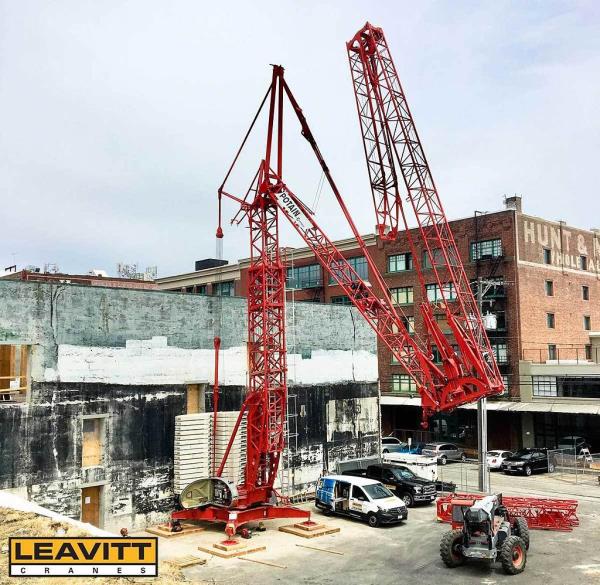
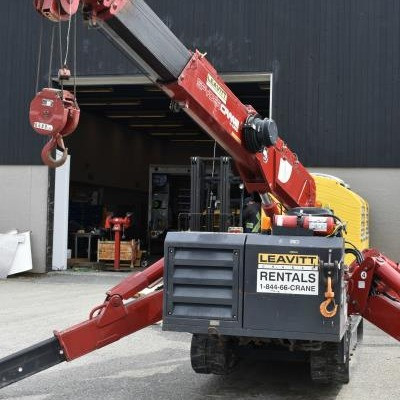
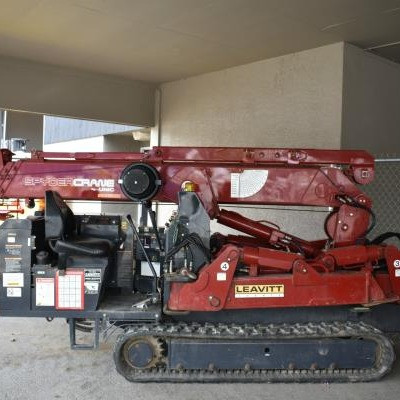
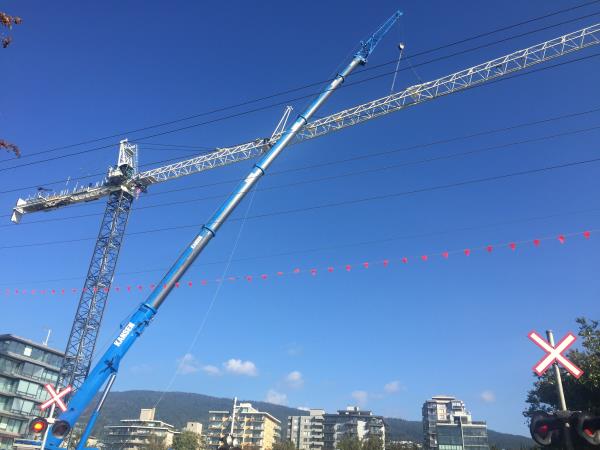
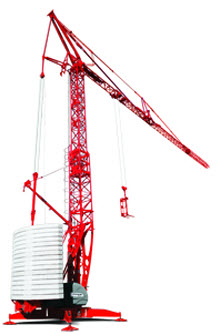
Wolff: Wolff Cranes Alaska - The Evolution into Hydraulics The Second World War forced a lot of society to improve overall inventiveness. During this particular period in time, the design and development of cranes evolved greatly. These industrial machines changed the face of the construction business. The first hydraulic crane was made during the year 1946 by crane manufacturer F. Taylor & Sons. This very first model was not able to slew or luff and was just utilized by the company. When it joined with Coles in 1959, this unit opened up the doors for a 50 and 42 Series. A Morris W.D. chassis is what the mobile hydraulic crane was initially placed on. The hydraulic crane by Taylor & Sons operated on a boom powered by a hydraulic pump as well as cylinders which were lowered and lifted by a hydraulic pump. When the business was not able to utilize army vehicles as chassis for the machine, they started production for designing their own mobile hydraulic cranes. These very first equipments gained much praise and were heralded as remarkable machinery. They were supposed to be capable of rebuilding all that was ruined by bombs during the war. The cranes were responsible for helping put together cities, nations and individual houses. Hydraulic systems became designed more and more complicated. The gear and pump systems can be powered while the trucks remained immobile. Businesses like for instance Hydrauliska Instustri AB made the first truck loader crane appearance on the market. The A2 crane was introduced during the year 1952. This model was mounted directly to the rear of a Chevy truck. It was complete with hydraulic lifting cylinders and a hooked winch. This loader crane started a huge trend in the industry. A company located in Bremen, referred to as Atlas Weyhausen started making similar versions of this machinery. Immediately after, cranes were becoming more advanced. Different manufacturers and companies making the winches developed accurate telescopic booms, and the hydraulic pumps were improved and using different materials so as to change the way the crane was developed.
Snorkel: Snorkel Electric Scissor Lifts Alaska - S-E Series Electric Scissor Lifts Snorkel scissor lifts are ideal for working in confined areas. They have roll out deck extensions to provide additional reach as well as the ability to turn in tight circles. The proportional and smooth operating system allows the operator to have precise control where they would need it the most. Snorkel offers deep cycle batteries in order to keep their electric lifts working as long as required. Throughout the entire S-E range features a commonality of components, making the servicing and maintenance of the electric lift models simple and more affordable. The TM12 model was the companies very first telescopic mast lift. This remains the best model even today. The self-propelled, most affordable 19 foot lift in the globe is Snorkel's SL20E. This sigma lift is a great alternative for job sites where the main issue is pricing. The original self-propelled telescopic mast lift has a great reputation for versatility, great strength and durability and remains a really popular machine all over the world. The Snorkel TM12 is capable of being driven through standard sized doorways and carried in passenger elevators. It could safely raise 2 people and supplies or tools up to a platform height of 12 feet. These machines are commonly utilized for stock picking, construction and maintenance as well as a variety of applications. Snorkel model S1930E is a lift capable of handling practically 500 lbs. and the platform could reach heights of up to 19 feet. The equipment is nimble and compact, with a turn radius of just 5 inches and could climb slopes of 25 percent. Just 30 inches wide, the S1930E model can easily pass through a standard doorway. This particular model comes with mechanical pothole protection and a 3 foot deck extension for added reach as standard features. For applications with limited floor loading capacities, the S1932E is only 2 inches wider than S1930E but this particular model is 180 lbs. lighter. The S-E series electric scissors are designed for indoor maintenance and construction tasks, with the platform heights up to 32 feet. Where more working area is required, there is a 46 inch wide version and for tight areas, there is a 32 inch wide version; both offer a 26 foot platform height. Snorkel is proud to provide particular models able to suit a variety of applications. They have a kind of lift for every application and an extensive network of parts and dealers to help out if and when the need arises.
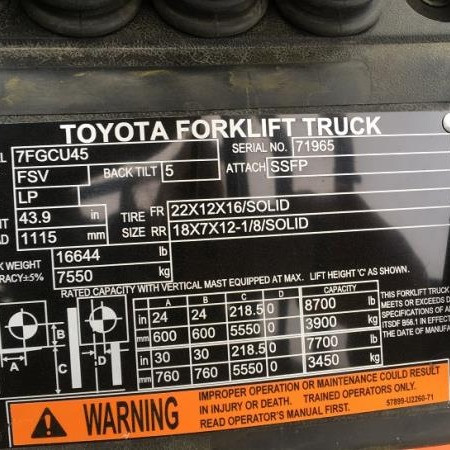
Toyota: Toyota Dual Fuel Forklift Alaska - In nineteen twenty six, Toyota Industries Corporation or TICO was established by Sakichi Toyoda. Ever since the company's beginning, TICO has expanded the scope of its business domains and promoted diversification to comprise: material handling equipment, logistics solutions, electronics, textile machinery and equipment, car air-conditioning compressors, automobiles, vehicles and engines. About Toyota Material Handling, U.S.A. Inc. The TMHU has since the year 2002, been the supplier for North America's top selling forklift. In addition to the wide range of high-quality lift trucks sold under the Toyota brand name, the company has extended their industrial equipment solutions to consist of Automated Guided Vehicles and tow tractors. TMHU is celebrating its 45th year in industry in North America. The hallmark of the Toyota Production System, practiced at all Toyota manufacturing facilities like TIEM is excellence. In 2011, Industry Weekly magazine named TIEM a North American Best Plant. TIEM is a member of the National Safety Council and complies with the ISO 14001 standard set by the International Organization for Standardization. Since it opened during the year 1990, TIEM has manufactured over four hundred thousand Toyota forklifts. Toyota is globally known for being devoted to quality in client service. This dedication has been extended all around Alaska and the US. There are more than 70 authorized Toyota Industrial Equipment dealers and all around North America there are over two hundred twenty dealership locations. Toyota dealers are highly trained and could provide complete client service and support. They provide one-stop shopping for both used and brand new lift trucks, service and parts, financing, fleet servicing and rentals. Toyota remains devoted to providing excellent quality care. They can deliver replacement parts on short notice and hope to lessen any potential downtime. Toyota dealers are happy to deal with any questions or issues set forth by their clients and are also a great resource if you are thinking of becoming a potential client and must determine the right type of machine for your specific requirements. The dealerships offer various second-hand, brand new and refurbished machinery in order to offer you the best options. Renting machines is a great way to try before make a purchase. This way you could test the machine within the environment you will be utilizing it in to see if it will be sufficient and suitable. Toyota offers plenty of information on their company web site. Visit your local dealership to have any questions answered, see the newest machinery and experience their product line first hand.
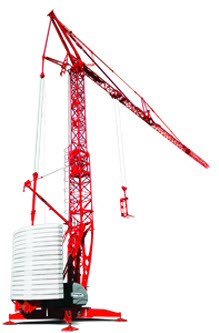
Liebherr: Liebherr Self Erect Cranes Alaska - Liebherr has created a varied lineup of mobile cranes like lots of self-erect cranes. Many units come with wheeled or crawler-tracked undercarriages. They are available with lattice booms and telescoping booms and are designed to be utilized in the most varied sites. These cranes are compact, maneuverable and strong. Liebherr products are made in Germany and feature ultra-modern mobile-crane technology. These equipment are showcased all over the world within every type of construction site. They satisfy the needs for both off-road and on-road operation. LTM mobile cranes feature lifting capacities in 19 different sizes. These all-terrain mobile cranes are capable of both off-road and road applications. LTM mobile cranes are the supreme in mobility equipment; they could travel 80 km/h. Due to their compact dimensions, they are completely versatile and easy to use. A heavy duty crane designed for versatile operational conditions is the LG 1750. This 750 ton lattice boom crane has a cruciform support with an 8-axle chassis and a variable boom system. The truck-mounted telescopic cranes in the taxi-crane class is an economic choice, which can be driven on open roads with all equipment. This makes them ready to be utilized at once upon arriving on-site. The low operating costs enhance the overall cost-effectiveness. The low fuel consumption is mostly due to the design of a standard truck. For crane operation, there is an extra engine located in the superstructure. The LTC compact crane is a specialized unit, best utilized in restricted places thanks to its maneuverability and compact nature. The LTC enables crane operation in tight areas to be performed without hindrance. These cranes are suitable in places where the traditional All-Terrain mobile cranes can only be utilized with limitations, if they are permitted to be operated at all. Liebherr has been for many years, making mobile cranes with special equipment for the military. Cranes have been deployed with combat-engineer units, with the regular Army and with maintenance and supply units. Furthermore, these machines are used by the Navy and the Air Force. These special cranes comply with all technical requirements because of field-proven assemblies, within the frame of the assigned tasks. The Liebherr standard cranes are suitable for both off-road and on-road applications too.
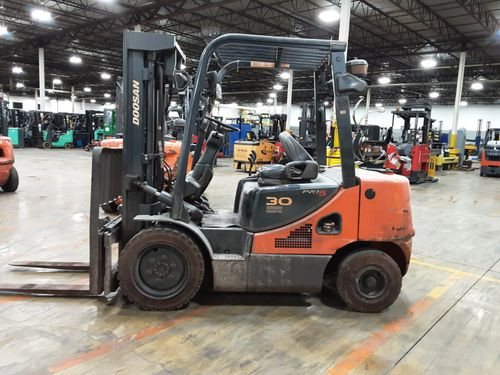
Doosan: Doosan Counterbalance Forklifts Alaska - Counterbalance Forklift Training According to Occupational Safety and Health Administration regulations, anyone who operates a counterbalanced forklift must receive training. Training for these kinds of industrial machinery comprises both hands-on driver training and classroom training. Refresher training is needed periodically so as to keep driver skills up to date. OSHA does not specify a required minimum time for either the classroom or hands-on training. Counterbalanced Forklifts The counterbalance forklift is able to balance its load because of a counterbalance built into the truck. Tines can move down and up parallel to the body of the truck. The blades do not rotate. Operators who drive counterbalanced lift trucks should receive training about the particular trucks they would be using and in the same workplace setting. Classroom Training Courses In classroom training, the forklift driver would be taught about the model she or he will be operating. Information includes specifications such as weight, load and height capacity. The operator would learn the basics of fueling or charging the forklift, depending on whether the engine is battery-powered or gas-powered. Safety measures regarding the specific truck, such as how to walk safely around the forklift, would be covered. Supervised Driving Driver training will be supervised to make sure that the driver would know how to properly drive the counterbalance forklift. This practical training would take place in the same kind of environment wherein the operator will be working. The driver will train on the same type of terrain with the same kinds of nearby buildings and other structures, as well as similar pedestrian and vehicular traffic. Refresher Training Courses Although OSHA requires regular refresher training for counterbalanced forklift operators, there are no specifications which determine the frequency of refresher training or its contents. However, for regular drivers, refresher training must comprise classroom-style training.
Crown: Crown Electric Forklift Alaska - Lift truck Battery Dangers The best choice of forklifts for many warehouses or supply outlets are electric models that are needed to move equipment and heavy products out of and into storage. These devices are battery powered with large batteries enabling the lifting of heavy cargo. Normally, warehouse personnel are responsible for recharging the batteries or swapping them out during a shift. Even if these batteries have been developed and designed with safety at the forefront, there are still several issues a handler needs to be aware of and stuff to be avoided when near the batteries. Weight Depending on the model, some forklift batteries could weigh as much as 2000 lbs. or 1 ton, even more. Obviously, these extreme weight factors need mechanical assistance in order to safely charge and change the battery. Approximately 50 percent of all injuries related to forklift batteries are caused by improper moving and lifting these heavy pieces of machinery. At times jacks, other forklifts or even specialized carts are utilized so as to transport and move heavy batteries. The overall success of using these pieces of equipment will really depend upon how safely the handler affixes the battery to the cart. Sadly, serious injuries could occur due to falling batteries. The industry has strict protocols that describe how and when the lift truck battery will be charged. Nearly all companies have extensive rules and regulations describing the safest method to remove the lift truck battery in a safe and efficient manner. Corrosives In order to handle them, it is essential to know the battery is filled with corrosive liquids that require you to follow safety precautions. Two of the most common kinds of forklift batteries include sulfuric acid and potassium hydroxide. These are both very corrosive materials which could lead to chemical burns to the hands, skin, eyes and face.
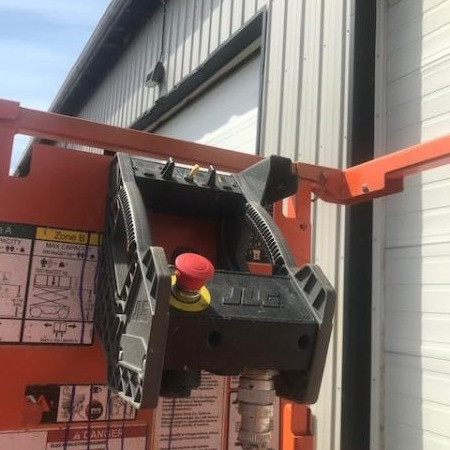
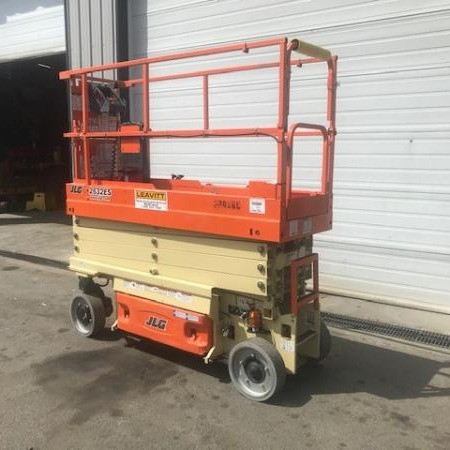
Terex: Terex Electric Scissor Lifts Alaska - How to Charge a Scissor Lift Many individuals value the convenience of using a scissor lift. The convenience of working and the safety offered from the lift's basket provide a lot more piece of mind than trying to carry out a similar job utilizing the step of a ladder. The safety risks involved with this specific machinery make it the right alternative for completing tasks from heights. Most scissor lifts are powered electrically by batteries that have been mounted directly onto the equipment. These batteries would need to be charged following a long shift or after sitting for extended periods without use. It is a simple task to charge the batteries. This can be carried out without any specialized tools or equipment and needs no heavy labor. The machine needs to be parked next to an electrical output in order to prepare the scissor lift for charging. This charging area must also be in a well-ventilated area. Then, in order to avoid another operator from driving away with the lift plugged in, press the emergency shut-off switch. The emergency shut off switch is the big red button situated inside the basket of the lift, near the control box or the charger. Find the battery charger on the base of the lift on the right side. Often, units that are older will have the charger mounted on the back of the lift. After that, plug the charger into the AC extension cord. Be certain you are charging in a place that is well ventilated and after that plug the extension cord into an electrical outlet. So as to avoid accidental damage from being run over, the length of the electrical cord on the battery charger is intentionally short. This is because if any excess length were to drop out of the battery charger storage area while in use, extreme danger can potentially take place.
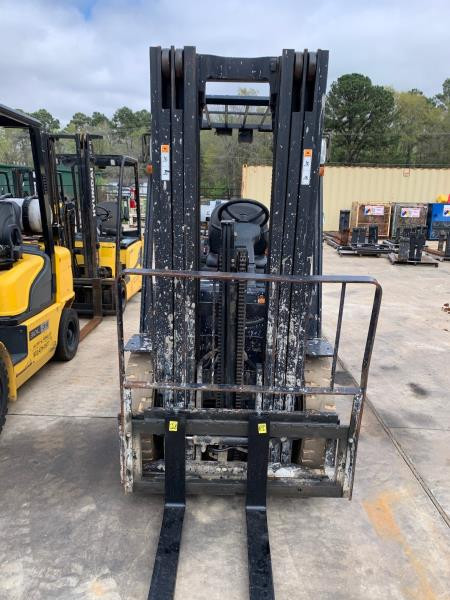
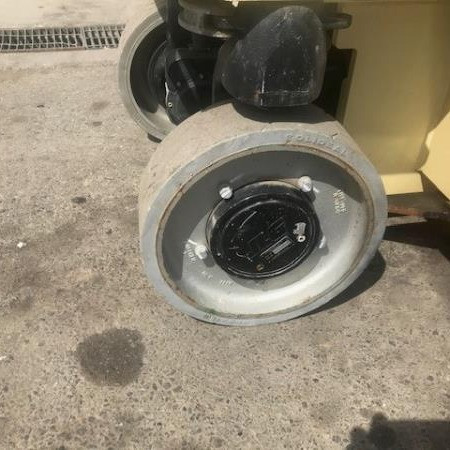
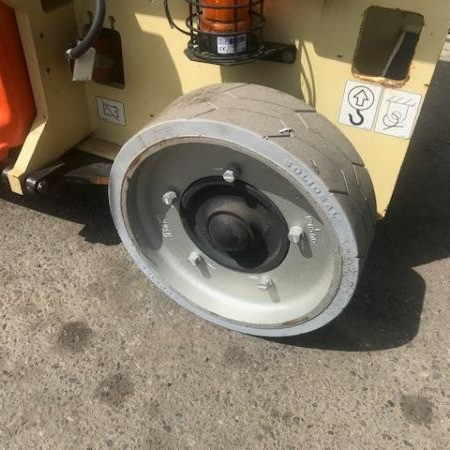
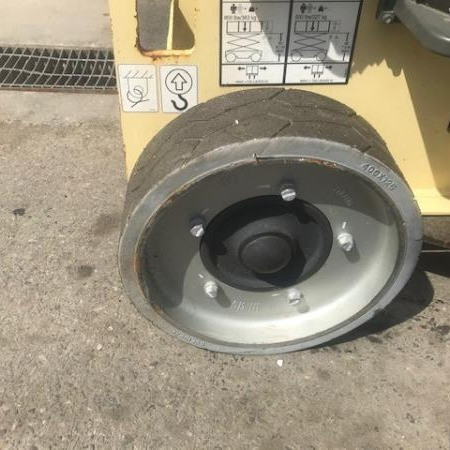
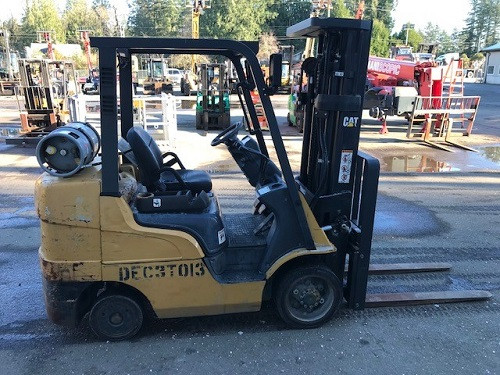
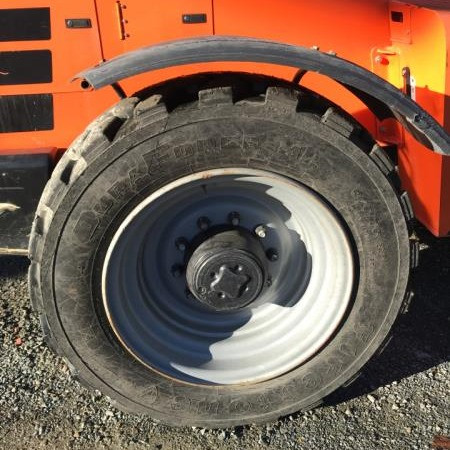
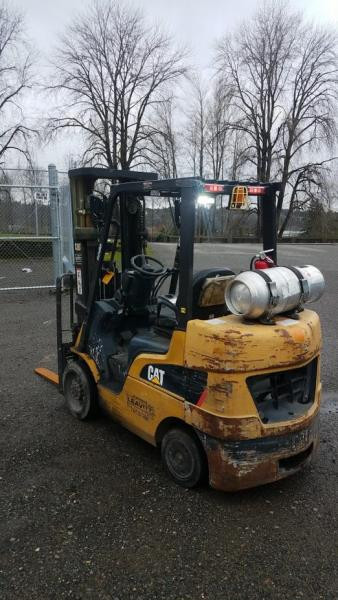
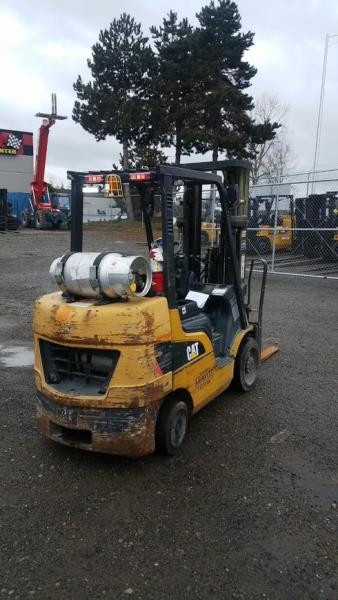
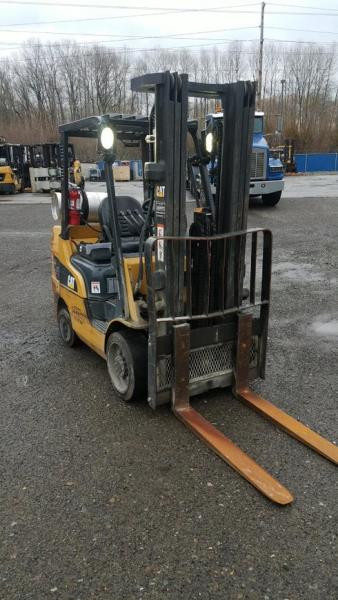
Caterpillar: Caterpillar Diesel Forklifts Alaska - Forklifts are vehicles commonly found inside warehouses, factories and other work sites where it is necessary to move heavy materials from one location to another. The mast is the mechanism situated on the front of the forklift that hydraulically lifts and lowers the load. The "cat" is the area that is protected where the driver of the forklift sits. Forklifts are capable of lifting loads between one and five tons in weight. Various kinds can be used to carry shipping containers and loads that are a lot heavier. The tires of a forklift must be inspected and maintained frequently. The types of tires on various forklifts differ according to factors such as weight of the loads, ground surfaces and frequency of use. Each and every operator of a forklift should have access to a forklift jack, tire press and replacement tires. Tire Maintenance Instructions You must frequently check the tires. Watch for indications of damage and wear to the tires. If the wear on the tire exceeds 40 percent, it should be replaced. When you purchase tires, be certain you buy the right type - solid, pneumatic or polyurethane. When the tire needs replacing, position the forklift jack under the tire and raise the forklift high enough that you can change the tires easily. To remove the damaged tire, pull the tire from the rim using the tire press. Install the new tire and secure it properly. If you are changing more than one tire and you have only one jack, lower the forklift, then reposition the jack at the next tire. On-site tire repair can be performed by a repair company. If the tire is too big for both in-house and mobile tire presses, the tire which is damaged must be transported to a shop which has a stationary tire press.
Yale: Yale Order Picker Forklift Alaska - A global leader within the manufacture of innovative and high performance industrial lifts is the Yale Materials Handling Corporation. These high performance industrial lifts are built to the highest standards of health and safety within their product categories. The business has a strong dedication to environmental sustainability. Yale is also glad to maintain excellent standards within the community as well as the workplace, in order to provide a solid foundation to their global business operations. Within their manufacturing operations as well as within their product design choices, Yale has established a strong tradition of environmental stewardship. Additionally, the company has established a really strong safety track record. Yale has continued with its plan to move forward with its dedication to its clients, and the natural environment, all while making world class forklifts. They include an incremental yearly business plan to keep track of goals which support their environmental and safety guidelines and goals. It's All About Your Business Right Size - For the majority of material handling fleets it is common to have upwards of 20% more forklifts than are needed. Yale Fleet Management implements a fleet rationalization to evaluate every piece of machinery through their 5R Process. The 5R Process represents: Re-deploy, Retain, Retire, Replace and Repair. This process helps to make certain that every truck is completely utilized to its maximum potential. Yale wants to ensure their machine is correctly used within its design. The Fleet Management Group would evaluate your existing methods. Then, they would redefine your fleet by breaking it down into parts. For example: Short-Term Rental, Core, Flex and Standby units. When they have determined a clear picture of your needs and your requirements, they can start minimizing the fleet population. This is the initial step in the process of lowering total cost of ownership. Economize - Each and every business has different requirements and there is no one-size solution for every company. Some would ask Rent or own? Cash or Finance? Purchase or Lease? Yale Fleet Management together with Yale Financial Services can help you determine your right options. The company's in-house leasing and financing company can offer programs like for instance 100 percent financing saves working capital in the long run. Service through Maintenance-Assured Rental Trucks or S.M.A.R.T and other skip programs such as seasonal plans, allow you to match up your operational and financial needs with your cash flow. Customize - The Fleet Management Team along with Yale Financial Services has a variety of ownership, lease or rental programs in order to suit your financial and operational needs. They can design and off-balance-sheet financing to determine your reporting needs and use. The Yale Fleet Management Group could tailor a plan that works just for you.